
Ireland’s past speaks through its streets, ruins, and coastal settlements, revealing layers of history that continue to shape its identity today. Few chapters captivate travellers more than the Viking history of Ireland, which blends conflict, settlement, and cultural transformation. Norse warriors arrived as raiders, yet they evolved into settlers, traders, and city builders who influenced the country’s development.
Today, you can explore this fascinating era through immersive journeys that combine storytelling with meaningful exploration. From bustling medieval streets to ancient fortifications, historic tours provide a powerful way to experience Ireland’s Viking roots. Whether you choose Dublin historical tours or venture further across the island, every step uncovers a deeper story.
This guide explores how to uncover Ireland’s Viking past through carefully curated experiences. It focuses strongly on the Republic of Ireland, where the majority of Viking heritage sites and historical landmarks continue to attract curious travellers.
The Arrival of the Vikings in Ireland
Vikings first reached Ireland in the late 8th century, arriving by sea and targeting monasteries along the coast. These early raids disrupted local communities and introduced a new wave of foreign influence. Despite the initial violence, these encounters marked the beginning of a lasting presence.
Over time, Viking groups shifted their focus from raiding to settlement, establishing fortified camps known as longphorts. Many of these camps evolved into thriving towns that formed the backbone of Ireland’s urban development. Their influence extended into trade, governance, and daily life.
Visitors today can trace this transformation through historical landmarks and museums that highlight cultural integration. These experiences reveal how Viking settlers blended their traditions with Irish society, creating a unique cultural legacy.
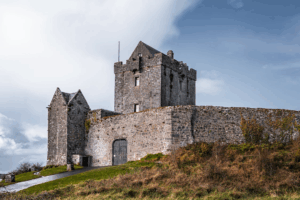
Dublin: The Heart of Viking Ireland
Dublin stands as the most significant Viking city in Ireland, with its origins deeply rooted in Norse settlement. Vikings established it as a strategic trading hub in the 9th century, allowing it to flourish economically. Over time, it developed into a centre of commerce, culture, and power.
Exploring Dublin’s Viking Roots
Dublin historical tours offer one of the most engaging ways to understand this legacy in depth. Guides lead you through narrow streets that follow the layout of early Viking pathways, connecting past and present. Walking along the River Liffey reveals where Viking ships once docked and traded goods.
Archaeological discoveries across the city continue to uncover tools, jewellery, and remnants of Viking homes. These findings provide valuable insight into daily life, helping visitors visualise how early settlers lived and worked.
Museums That Bring History to Life
Medieval museum tours in Dublin provide a deeper understanding of Viking society and its development. Exhibits showcase reconstructed homes, weapons, and artefacts that illustrate everyday activities and social structures. These detailed displays bring history into focus.
Interactive environments allow visitors to step into recreated Viking settings filled with sights and sounds. This immersive approach creates a vivid connection to the past and makes learning both engaging and memorable.
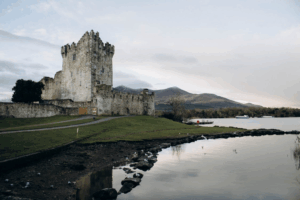
Beyond Dublin: Viking Settlements Across Ireland
While Dublin played a central role in Viking Ireland, settlers established strong communities in several coastal regions. Exploring these areas expands your understanding of their widespread influence. Each location offers a unique perspective on Viking life.
Waterford: Ireland’s Oldest City
Waterford holds the title of Ireland’s oldest city, founded by Vikings in 914 AD as a strategic port. Its layout preserves the structure of an early Viking settlement, making it an essential destination for history enthusiasts. The city reflects centuries of development shaped by trade and defence.
Visitors can explore ancient walls, towers, and winding streets that date back hundreds of years. Guided experiences explain how Waterford evolved into a thriving commercial centre, connecting Ireland to wider European networks.
Wexford and Cork: Coastal Strongholds
Vikings also established settlements in Wexford and Cork, both of which offered strong coastal advantages. These towns allowed them to control vital trade routes and maintain links with Scandinavia. Their locations played a key role in their long-term success.
Walking through these areas reveals how geography influenced Viking strategy and settlement planning. Natural harbours, rivers, and defensible terrain helped shape the growth and resilience of these communities.
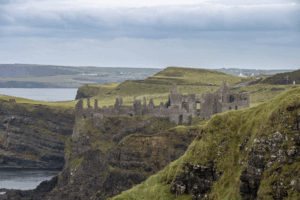
Castles and Fortifications: Defending Viking Ireland
Vikings relied heavily on defensive structures to protect their settlements from rival groups and local resistance. These early fortifications evolved over time into more complex systems. Many of these structures influenced later castle designs.
The Evolution of Defensive Architecture
Early Viking defences used timber and earthworks to create protective barriers around settlements. As communities expanded, builders introduced stone structures that offered greater durability and security. This evolution reflects both necessity and innovation.
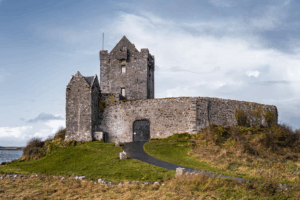
Guided castle tours in Ireland allow visitors to explore these impressive developments firsthand. Walking through fortified walls and towers helps you understand the strategic thinking behind these constructions.
Castles as Cultural Landmarks
Many castles built on or near Viking sites reflect a blend of Norse and Irish architectural influences. These structures highlight how cultures merged and adapted over time. They stand as lasting symbols of resilience and transformation.
Exploring these landmarks provides valuable insight into Ireland’s rich heritage and historical depth. Each castle tells a story that connects Viking beginnings with later medieval developments.
The Role of Trade in Viking Ireland
Trade played a central role in Viking expansion and long-term success in Ireland. Settlements grew around marketplaces that connected local and international economies. These hubs became centres of activity and exchange.
What Vikings Traded
Vikings traded goods such as silver, textiles, tools, and crafted items across wide networks. They also exchanged Irish resources, including wool and agricultural produce, with foreign markets. This trade supported economic growth and stability.
Markets attracted traders, craftsmen, and travellers from different regions. These interactions encouraged cultural exchange and strengthened connections between communities.
Experiencing Trade History Today
Historic tours often include visits to former trading hubs where this activity once thrived. Guides explain how commerce influenced settlement growth and daily life. These insights add context to what you see.
These experiences help visitors understand the economic systems that supported Viking communities. They reveal how trade shaped both local development and international relationships.
Daily Life in Viking Ireland
Viking life extended far beyond warfare, encompassing family life, work, and community building. Settlers created stable environments where generations could thrive. Their daily routines reflected both practicality and cultural identity.
Homes and Communities
Viking homes featured long, rectangular designs built with timber frames and thatched roofs. Families often shared living space with livestock, creating a close and functional environment. This design supported survival and efficiency.
Reconstructed dwellings in museums offer valuable insight into these living conditions. Visitors can see how families cooked, crafted, and interacted within their homes.
Crafts and Skills
Vikings developed advanced craftsmanship skills that produced tools, jewellery, and weapons. Their work demonstrated precision, creativity, and technical knowledge. These skills played a key role in trade and daily life.
Medieval museum tours highlight these crafts through detailed exhibits and demonstrations. Visitors can appreciate the artistry and effort behind each creation.
Religion and Cultural Exchange
Vikings brought their own belief systems to Ireland, but they gradually adopted local traditions. This shift reflected growing integration with Irish communities. Religion played a central role in this transformation.
Transition to Christianity
Early Viking settlers followed Norse mythology, which shaped their worldview and rituals. Over time, they converted to Christianity through interaction with Irish society. This change influenced identity and community structure.
The transition strengthened social bonds and created shared cultural practices. It also contributed to the development of new traditions.
Lasting Cultural Impact
Viking influence remains visible in Irish language, place names, and cultural practices. Many towns still reflect their Norse origins through names and layout. These traces connect the present to the past.
Exploring these influences adds depth to any historical journey. It highlights how cultural exchange shaped Ireland’s identity.
The Value of Guided Tours
Historic tours transform simple visits into meaningful experiences filled with context and insight. Knowledgeable guides provide stories that connect landmarks to real events and people. This approach enhances understanding.
Private Dublin city tours offer a personalised way to explore Viking history in detail. Guides tailor the experience to match your interests and pace. This flexibility creates a more engaging journey. You can ask questions, explore lesser-known sites, and gain deeper knowledge through expert guidance. This level of interaction enriches the overall experience.
Combining Multiple Experiences
Many travellers combine Dublin historical tours with visits to other Viking settlements across Ireland. This approach creates a broader understanding of the Viking era. Each location adds a new perspective.
Guided castle tours in Ireland and medieval museum tours complement each other effectively. Together, they provide both visual exploration and detailed interpretation.
Day Tours: The Ideal Way to Explore
Day tours offer a practical and enriching way to explore Ireland’s Viking history without complex planning. They allow travellers to focus on key locations while enjoying a structured experience. This format suits many travel styles.
Flexible and Accessible
Day tours provide flexibility, making them ideal for those who want convenience without sacrificing depth. You can visit important sites and return comfortably within the same day. This structure reduces travel stress.
They also suit travellers who prefer shorter, focused experiences. Each tour delivers valuable insights within a manageable timeframe.
Deep Exploration in Limited Time
Despite their shorter duration, day tours provide meaningful and detailed exploration. Guides highlight key locations and share important historical context. This ensures a rewarding experience.
This approach allows you to gain deep understanding without committing to extended travel plans. It balances efficiency with discovery.
FAQs
- What is the Viking history of Ireland?
The Viking history of Ireland refers to the period when Norse settlers arrived, established towns, and influenced trade, culture, and urban development across the island.
- Which cities in Ireland have Viking origins?
Dublin, Waterford, Wexford, and Cork all have strong Viking connections and preserve elements of their early settlements and historical layouts.
- Are there museums dedicated to Viking history?
Yes, several museums across Ireland focus on Viking history, offering immersive exhibits and artefacts through engaging medieval museum tours.
- What can I expect from Dublin historical tours?
Dublin historical tours include guided walks through Viking-era streets, visits to key landmarks, and detailed insights into the city’s origins and development.
- Are guided castle tours in Ireland relevant to Viking history?
Yes, many castles developed on or near Viking sites, and these tours highlight the evolution of defensive structures and settlements over time.
- Why should I choose private Dublin city tours?
Private Dublin city tours offer personalised experiences, allowing you to explore at your own pace with expert guidance tailored to your interests.
- How long should I spend exploring Viking sites?
You can explore key Viking sites through day tours, but combining multiple experiences over several days provides a more complete and enriching understanding.
Begin Your Journey with Royal Historical Tours
At Royal Historical Tours, we bring the Viking history of Ireland to life through carefully designed experiences that prioritise depth and authenticity. We combine Dublin historical tours, medieval museum tours, private Dublin city tours, and guided castle tours in Ireland to create seamless and engaging day tours.
We focus on Ireland’s rich heritage and deliver personalised journeys that match your interests, pace, and travel goals. Our expert guides ensure every experience feels meaningful, informative, and memorable.
We invite you to explore Ireland with us and uncover the legacy of the Vikings through immersive, expertly guided tours. Book your experience today and discover history in a way that feels personal and unforgettable.