
Ireland offers two very different ways to experience its landscapes and heritage:
Ireland’s Ancient East and the Wild Atlantic Way. Both showcase the country’s history, culture and natural beauty, but the experiences they offer can shape two quite different holidays. Understanding what sets them apart can help you choose the right destination or plan a trip that includes both.
Exploring Ireland’s Ancient East
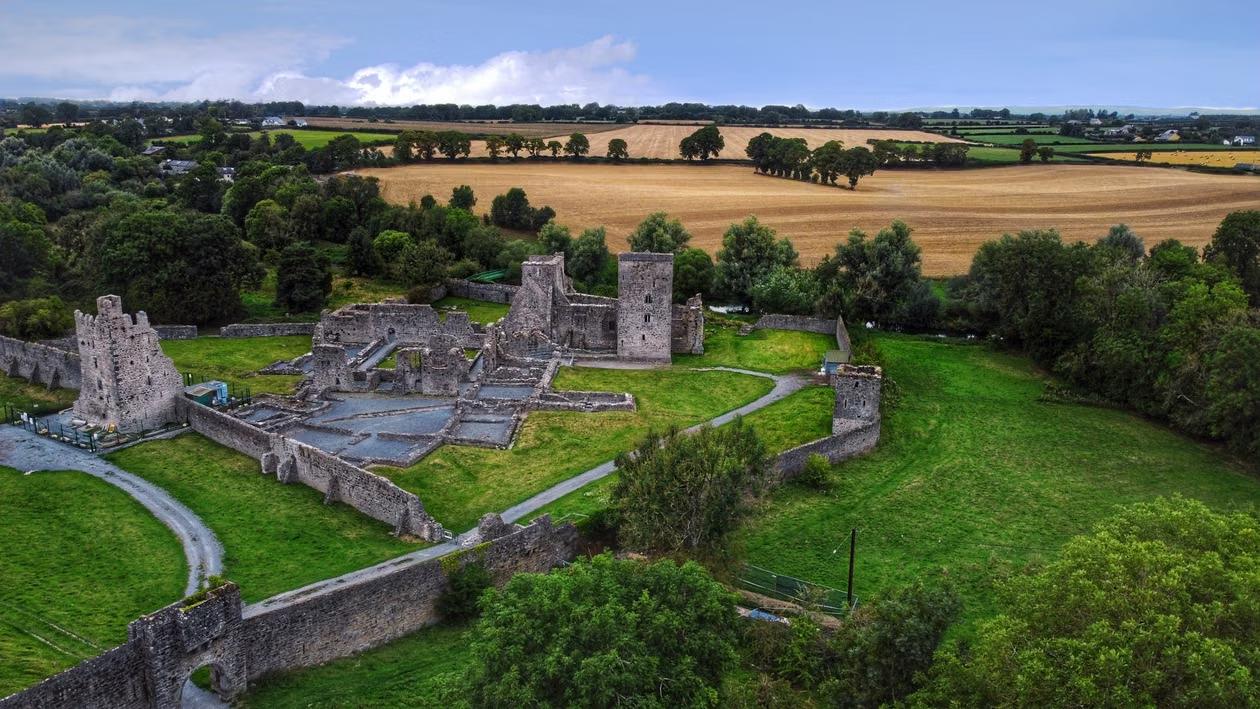
Ireland’s Ancient East is known for its concentration of historic landmarks, archaeological sites, medieval towns and cultural attractions. Stretching across the eastern and southern parts of the Republic of Ireland, the region offers opportunities to explore thousands of years of history.
County Meath is an excellent starting point. The Boyne Valley is home to the prehistoric passage tombs of Newgrange and Knowth, while Trim Castle provides a glimpse into Ireland’s medieval past. Further south, Kilkenny offers a well-preserved medieval city centre, historic streets and an impressive castle. Waterford, meanwhile, is known for its Viking heritage and medieval history.
A visit to Ireland’s Ancient East suits travellers who enjoy heritage attractions, guided historical experiences, museums and smaller towns. Allow around five to seven days to explore several destinations without rushing, although a shorter three- or four-day trip can cover highlights around Meath, Dublin and Kilkenny.
Discovering the Wild Atlantic Way
The Wild Atlantic Way offers a different experience, focusing on Ireland’s western coastline, rugged landscapes and Atlantic views. This celebrated coastal touring route stretches from County Donegal in the north to County Cork in the south, passing through some of the country’s most dramatic scenery.
Travellers can explore the cliffs and coastal villages of County Clare, including the famous Cliffs of Moher, or discover the mountains, beaches and traditional towns of County Kerry. Further north, Donegal offers remote beaches, rugged headlands and scenic driving routes.
Although the Wild Atlantic Way also has a rich cultural and historical character, its appeal often lies in outdoor experiences, coastal drives, photography, walking trails and exploring smaller communities.
A week is a good starting point for discovering one section of the route. Travellers hoping to explore several counties should consider ten days to two weeks, particularly if they want time for scenic stops and overnight stays along the way.
Can You Visit Both Regions on One Trip?
Absolutely. The two regions complement each other, offering a broader picture of Ireland’s landscapes and history. A ten- to fourteen-day itinerary could begin in Dublin and County Meath, continue through Kilkenny and Cork, and then head west towards Kerry or Clare.
However, avoid trying to cover too much ground. Ireland’s country roads, scenic detours and historic attractions often make journeys longer than expected.
Choosing a few overnight bases can also make the experience more relaxed.
Which Region Should You Choose?
Your interests and available time should guide your decision. Choose Ireland’s Ancient East if you want to explore prehistoric monuments, castles, medieval towns and historical attractions. The Wild Atlantic Way is ideal if you prefer coastal scenery, outdoor activities and scenic road trips.
If you have enough time, combining both offers a rewarding introduction to Ireland.
With private guided experiences and customised multi-day itineraries, Royal Historical Tours can help you discover historic landmarks, explore the Boyne Valley and venture towards Ireland’s celebrated coastal destinations. Contact Royal Historical Tours to plan a journey shaped around your interests and the places you most want to experience.