
For many people around the world, Ireland is more than just a travel destination. It is a place of memory, identity, and connection. Generations ago, millions left its shores seeking opportunity, safety, or survival. Today, their descendants often feel a strong pull to return. They want to walk the same roads their ancestors once walked, see the churches where they were baptized, and stand on the land their families once called home.
This is where ancestral research tours of Ireland become so meaningful. These journeys combine family history research with travel across Ireland’s towns, villages, and countryside. They turn names on a family tree into real people connected to real places. Instead of simply reading about the past, travelers experience it through the landscapes that shaped their ancestors’ lives.
Why Ireland Holds Such Strong Family Connections
Ireland’s history is closely tied to migration. During the nineteenth century, especially around the Great Famine, millions of Irish people emigrated to the United States, Canada, Australia, and Britain. Over time, their stories became part of new cultures, but the memory of Ireland remained strong.
Surnames, family traditions, and even certain expressions often point back to specific counties or parishes. Many families know that their roots lie in the west, the midlands, or smaller rural parishes, but without research, these connections can feel distant.
Through ancestral research tours of Ireland, travelers can combine genealogy tours and visits to local archives to find the missing pieces of their family story. These tours make it possible to locate records, visit townlands, and explore historical contexts that bring ancestors’ lives to life.
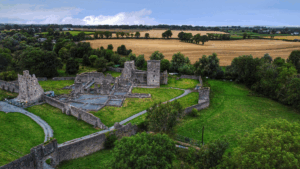
Combining Genealogy With Place-Based History
Genealogy research often begins with certificates, census records, and family stories. While these sources are essential, they do not fully reveal how people lived. Understanding the places your ancestors inhabited adds depth to their story.
Ireland’s landscapes vary greatly. The rocky western coast, the rolling green fields of the midlands, and the bustling towns of the east each shaped how families worked, worshipped, and built communities. Visiting these areas helps travelers appreciate the conditions their ancestors faced.
Ancestral research tours of Ireland combine research sessions with guided visits to meaningful locations. This allows travelers to not only gather information but also see the context in which their ancestors lived. Experiences such as the Wicklow day tour from Dublin can be customized to include ancestry-linked locations alongside famous historic sites.
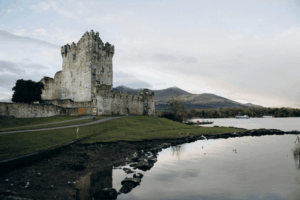
Visiting Ancestral Townlands and Parishes
Ireland is divided into counties, parishes, and townlands. Townlands are especially important in family research. They are small land divisions that often hold strong historical ties. Many Irish families can trace their roots to a specific townland that has existed for centuries.
Standing in an ancestral townland is often the most emotional moment of the journey. It might be a quiet field, a stone cottage, or a narrow country road. Local guides play a key role in this process, helping travelers locate parish boundaries, graveyards, and historical maps.
Through ancestral research tours of Ireland, visitors gain access to local archives, heritage centers, and experts who understand regional records. This makes research more accurate and meaningful. Some tours also incorporate Kilkenny Castle guided tours, giving travelers insight into local history while exploring their family roots.
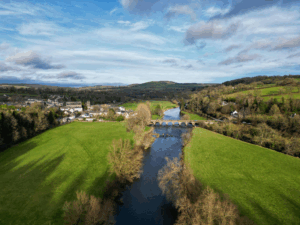
Exploring Historic Churches and Graveyards
Churches and graveyards are central to ancestral research. Baptisms, marriages, and burials were recorded by local parishes long before civil registration began. These records can confirm family connections and reveal new names for research.
Visiting a church where an ancestor was baptized creates a strong sense of connection. Even if the building has been restored, its location is often unchanged. Nearby graveyards may hold family headstones, providing a tangible link to the past.
Tours such as genealogy and family history trips often include guided visits to historic churches and cemeteries. This gives travelers time to explore and reflect while connecting with their heritage.
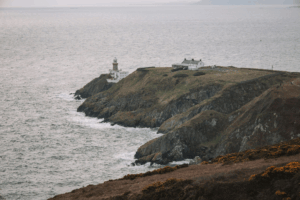
Understanding Social and Cultural History
Family history is not only about names and dates. It is also about understanding how people lived. Ireland’s social and cultural history shaped work, family life, and community relationships.
Agriculture was central to most communities. Families depended on the land for survival. Political events, land ownership, and economic conditions often influenced decisions to stay or emigrate. Music, storytelling, and local traditions were also central to life in rural areas.
Ancestral Research Tours of Ireland frequently include visits to medieval museum tours to give travelers context about local life, farming practices, and social customs. This adds depth to the ancestry journey.
The Emotional Impact of Returning
For many travelers, discovering family roots is deeply personal. It can bring pride, healing, and a renewed sense of identity. Some uncover stories of hardship, resilience, or even unexpected family connections.
Walking through ancestral landscapes often brings mixed emotions. There may be sadness for struggles endured, but also gratitude for the courage and perseverance of past generations. Travelers often find inspiration and reflection in these moments.
Ancestral research tours of Ireland provide space for reflection. Guides understand that this is not just sightseeing. It is a journey that can connect you emotionally to your family history.
Modern Research Tools and Local Expertise
Technology has made genealogy research easier than ever. Online databases, digitized records, and DNA testing help trace family lines. However, local knowledge remains invaluable.
Some records remain in local archives or are handwritten in ways that require expert interpretation. Local guides can clarify surname variations or explain why families moved between parishes.
By combining online tools with local expertise, ancestral research tours of Ireland ensure accuracy. Visitors benefit from both pre-tour research and on-site archival visits. This combination makes the journey organized, effective, and meaningful.
Using Modern Technology to Enhance Your Ancestral Research
Technology has transformed how people trace their family history. Online databases, digitized parish records, and genealogy websites make it easier than ever to discover where your ancestors lived, when they were born, married, or passed away. DNA testing can also reveal connections to distant relatives and confirm ancestral origins, sometimes uncovering unexpected branches of your family tree.
However, technology alone is often not enough. Many records remain in local archives or are handwritten in old scripts that require careful interpretation. Guides can help travelers navigate old maps, parish records, and historical documents that are not available online, providing accuracy and context to your findings.
Integrating technology with in-person visits makes the ancestral journey richer and more meaningful. For example, using online records to prepare for a visit to a parish or townland allows travelers to ask informed questions and quickly locate relevant sites. Photography and mobile apps also let visitors capture details of headstones, archival documents, and landscapes for future reference.
This approach ensures that genealogy research is not just about data but about connecting with real places, stories, and people. By combining modern tools with guided exploration, travelers gain a deeper understanding of their family history and create lasting memories of Ireland’s landscapes.
Connecting With Living Relatives
Sometimes ancestral research leads to meeting distant relatives still living in Ireland. These encounters can be powerful. Sharing stories, photographs, and memories builds connections across generations and continents.
While not every tour leads to such meetings, tours like private Ireland tour packages can help facilitate respectful connections when possible. These interactions enhance the experience and deepen personal meaning.
Community Engagement in Heritage Tourism
Community engagement plays a vital role in ancestry-based travel. Local people, heritage centers, and small businesses enrich the experience by sharing culture, stories, and traditions. Participating in tours that highlight local involvement, such as Kilkenny Cathedral trips, allows travelers to connect with living communities that continue to shape Ireland’s history.
Our Commitment to Meaningful Ancestral Journeys
At Royal Historical Tours, we believe that tracing your roots should be handled with care, respect, and attention to detail. Through ancestral research tours of Ireland, we combine detailed genealogical research with thoughtfully planned travel across regions that matter most to your family story.
Our services go beyond simple sightseeing. We integrate different tours and visits to heritage sites to provide a complete and personalized experience. By blending heritage travel services and professional guidance, we create structured yet deeply personal journeys.
We work closely with historians, local archives, and heritage centers to ensure accuracy and depth. Our tours let you not only discover names and records but also walk the lands your ancestors once lived on.
Book your tour with us today and experience the meaningful connection to your family’s heritage.
FAQs
- What is an ancestral research tour?
An ancestral research tour combines genealogy research with travel to places tied to your family history. It allows you to see where your ancestors lived, worked, and worshipped while connecting documents to real locations. - How do I prepare for a family history tour in Ireland?
Start by gathering basic family records, such as birth, marriage, or immigration documents. Having names, locations, and dates helps guide identify relevant parishes, townlands, and archives during your tour. - Can I trace my Irish ancestry even if my family emigrated generations ago?
Yes, many families who left Ireland long ago can still be traced through parish records, census data, and local archives. Guided tours like ancestral research tours of Ireland provide expertise to help connect distant branches of your family tree. - Do these tours include visits to castles or heritage sites?
Yes, many ancestral tours combine family research with visits to Medieval Kilkenny,Kilkenny Castle, or other historic sites. This helps place your family story within Ireland’s wider historical and cultural context. - Why is community engagement important on these tours?
Local communities preserve knowledge, traditions, and stories that enrich your journey. Engaging with locals offers insight into customs, historical practices, and the environment your ancestors lived in.