
Most visitors to Ireland see the same handful of stops: a castle, a cliff, a pint in Dublin, and go home without ever getting close to what actually makes the country feel different. Irish Heritage Tours exist to close that gap, connecting historic landmarks, religious sites, and ancient monuments with the local communities and traditions still built around them. This guide looks at what meaningful heritage travel in Ireland actually involves: not just which sites to visit, but how to visit them in a way that leaves you with a real sense of the place, rather than a photo and a rushed explanation from a bus microphone. If you’re looking for cultural tours in Ireland that go beyond the standard itinerary, this is where to start.
| Quick Guide to Irish Heritage Travel
· Heritage travel focuses on the history, culture, and stories behind each destination. · Explore a mix of ancient monuments, medieval castles, monastic sites, and local museums. · Venture beyond major tourist attractions to discover community-run heritage sites and rural traditions. · Allow time to engage with local guides, who provide historical context and regional insights. · Combine iconic landmarks with lesser-known locations for a more meaningful experience. |
What Makes a Trip to Ireland a Heritage Tour Rather Than a Sightseeing Trip?
A heritage tour focuses on understanding the history, meaning, and people behind a place, rather than simply photographing it and moving on. It usually involves a knowledgeable guide, smaller groups, and enough time to actually absorb what you’re looking at.
The Heritage Council of Ireland, the state body responsible for protecting the country’s built and cultural heritage, works with hundreds of local communities every year to keep smaller, lesser-known sites cared for and open to visitors. These are often the places a standard coach tour has no time to stop at, which is exactly the gap Irish Heritage Tours are built to close.
What Kinds of Historic Sites Are Worth Visiting in Ireland?
Ireland’s historic sites range from prehistoric passage tombs and Iron Age hillforts to early Christian monasteries, medieval castles, and famine-era workhouses. Religious sites make up a particularly large share of this list, since Ireland’s monastic history shaped much of its early landscape.
One of the best examples is Glendalough in County Wicklow, a 6th-century monastic settlement founded by St Kevin that grew into one of early Christian Ireland’s most important centres of learning. Sites like this combine history tours of Ireland with genuine spiritual and architectural interest, rather than being a stop for its own sake.
How Do I Find Ireland Beyond the Usual Tourist Trail?
You find Ireland beyond the usual tourist trail by looking past the five or six most-photographed landmarks and into the regions built around them, where local guides, smaller museums, and community-run sites tend to be. Regions like Ireland’s Hidden Heartlands were created for exactly this kind of travel.
Fáilte Ireland describes Ireland’s Hidden Heartlands as the country’s best-kept secret, an inland region built around rivers, lakes, and rural communities rather than headline attractions. Building a day or two here into a longer trip is one of the simplest ways to add private heritage tours of Ireland to an itinerary that would otherwise stay on the coast.
How Important Are Local Communities to Irish Heritage Travel?
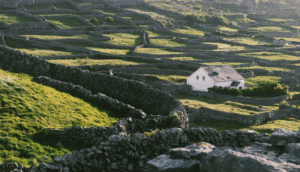
Local communities are central to Irish heritage travel, since many smaller monuments, traditions, and stories survive only because a nearby town or parish has kept them alive. Without this local involvement, a lot of Ireland’s heritage would simply not be accessible to visitors at all.
Ireland’s own tourism board highlights how coastal and rural communities keep the Irish language, traditional music, and storytelling alive in everyday life, not just at festivals. These living traditions are often what turns a good trip into a memorable one, and they’re rarely something you can plan around from a hotel brochure.
Irish heritage is more than historic buildings and monuments. Traditional music, folklore, local crafts, regional food, and the Irish language all contribute to the living culture visitors can still experience throughout the country.
Where Do Ancient Monuments Fit Into a Heritage Trip to Ireland?
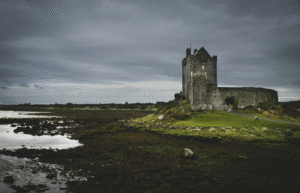
Ancient monuments such as passage tombs, ring forts, and standing stones give an Irish heritage trip its deepest layer of history, often predating the historic landmarks most visitors already plan to see. Many of these sites sit within a short drive of better-known attractions.
Our Ancient Castle Experience Tour Package pairs Meath’s and Dublin’s castles with the older monuments nearby, while our Saints & Scholars Tour Package builds a route around Wicklow’s monastic sites and Dublin’s early Christian history. Both are built as historical tours in Ireland that fold ancient monuments into a trip that also covers the landmarks most people expect to see.
Heritage travel is at its best when every stop tells part of a larger story, connecting landscapes, communities, and centuries of Irish history into a single journey.
Start Planning Heritage Travel That Goes Deeper
Ireland rewards travellers who are willing to slow down, and that’s really what Irish Heritage Tours are for: trading a packed checklist for a smaller number of places seen properly, with the context to make them worth remembering.
At Royal Historical Tours, we build Ireland heritage tours around historic landmarks, religious sites, and ancient monuments in equal measure, with private guides who know the local communities behind each stop. Whether you’re planning a single-day Ireland heritage trip or a longer, fully personalized Ireland excursions itinerary, we can shape the route around what actually interests you rather than a fixed coach schedule.
Contact us today to start planning a trip that goes beyond the usual stops.
Frequently Asked Questions
What Is the Difference Between a Heritage Tour and a Standard Sightseeing Tour?
A heritage tour focuses on the history and meaning behind a place with the help of a knowledgeable guide, while a standard sightseeing tour typically moves quickly between photo stops. Heritage tours usually involve smaller groups and more time at each site.
Do I Need to Book a Private Guide to Experience Ireland’s Heritage Properly?
No, but a private guide makes it far easier to reach smaller, community-run sites that don’t appear on standard coach itineraries. A local guide can also provide context and stories that a self-guided visit would miss entirely.
What Is Ireland’s Hidden Heartlands?
Ireland’s Hidden Heartlands is an official Fáilte Ireland region covering the country’s inland midlands, built around rivers, lakes, and rural communities rather than famous landmarks. It’s one of Ireland’s four main tourism regions, alongside Dublin, the Wild Atlantic Way, and Ireland’s Ancient East.
Can I Visit Religious and Monastic Sites in Ireland as Part of a Heritage Tour?
Yes, early Christian monastic sites such as Glendalough are among the most popular stops on Irish heritage tours. Many combine well with nearby castles, ancient monuments, and local museums in a single day trip.