
Ireland is one of those rare countries where the journey between destinations is often just as memorable as the destinations themselves. Winding coastal roads, quiet mountain passes, and lanes lined with ancient stone walls turn every drive into an experience worth slowing down for. That is exactly why self-drive tours have become one of the most popular ways for visitors to explore the island at their own pace, stopping wherever curiosity leads rather than following a rigid coach schedule.
But planning an Irish road trip involves more than just picking a route and heading out. Understanding how Irish roads actually work, building realistic driving times into your itinerary, and knowing which regions deserve an extra night are the details that separate a good trip from one you will remember for decades. Whether you are drawn to Wicklow Mountains’ scenery or the wild coastlines of Donegal and Kerry, this guide covers everything you need to plan a self-drive holiday that genuinely does Ireland justice.
Why Ireland Is Best Explored by Car
Ireland’s most compelling places are rarely found along major motorways. The fishing villages tucked into cliffsides along the Wild Atlantic Way, the quiet monastic ruins hidden down farm lanes in Meath, the mountain passes that reveal new valleys with every turn in Kerry and Donegal all require a vehicle to reach properly. Public transport connects Ireland’s cities well enough, but the country’s real character lives in the spaces between them.
A self-drive trip also gives you something no guided coach tour can: the freedom to stop. When the light hits the Burren a certain way, or a hand-painted sign points toward a waterfall you had not planned to visit, having your own car means you can follow that impulse without checking a schedule. According to Discover Ireland, the country’s tourism board, many of the island’s most visited natural attractions sit along routes specifically designed for independent drivers, including the Wild Atlantic Way, Ireland’s Ancient East, and the Causeway Coastal Route.
Driving also lets you reach accommodations that sit outside the usual tourist hubs. A farmhouse B&B overlooking Dingle Bay, a renovated stone cottage near the Cliffs of Moher, or a country house hotel deep in Donegal are all experiences that depend on having your own transport to reach and enjoy them properly.
Understanding Irish Roads Before You Set Off
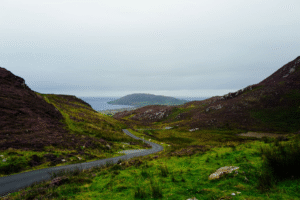
Irish roads range from smooth, well-maintained motorways connecting Dublin to Cork, Galway, and Limerick to narrow, hedge-lined lanes where two cars can barely pass each other. Understanding this range before you arrive prevents the kind of stress that can turn an otherwise beautiful drive into a white-knuckle experience.
Motorways, marked with M numbers, are dual carriageway roads comparable to highways elsewhere. National roads, marked N, vary between wide single carriageways and fast dual sections. Regional and local roads, marked R and L, are where the scenery gets spectacular, and the driving gets slower. The Transport Infrastructure Ireland website provides current road condition information and toll details that are worth checking before any long drive.
A few practical notes that catch many visitors off guard: Ireland drives on the left. Speed limit signs use kilometres per hour. Roundabouts are everywhere and traffic flows clockwise through them. Petrol stations can be scarce in remote areas of Donegal, West Cork, and parts of Kerry, so filling up when you see one is genuinely good advice rather than just a suggestion.
The Road Safety Authority offers guidance specifically for visitors driving in Ireland, covering seatbelt requirements, mobile phone rules, and general road safety. Reviewing their visitor guidance before your trip is time well spent, especially for drivers arriving from countries that drive on the right.
Planning Realistic Driving Times
The single most common mistake visitors make when planning an Irish road trip is underestimating how long drives actually take. Ireland may look small on a map, but the combination of winding roads, single-lane stretches, tractors, livestock, and genuinely irresistible scenery means that a drive Google Maps estimates at ninety minutes often takes two hours or more in practice.
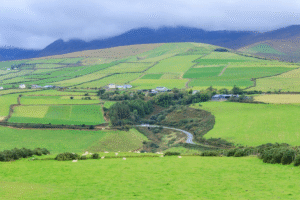
As a general rule, assume Irish driving times will exceed mapping estimates by twenty to thirty percent outside of motorways. A drive from Dublin to the Cliffs of Moher takes roughly three and a half hours in practice. Dublin to Killarney is about four hours. Killarney to Dingle is over two hours on winding peninsula roads that you will want to stop along repeatedly.
This is important because trying to cover too much ground in a single day is what turns a relaxing self-drive holiday into an exhausting dash between car parks. Dublin driving tours or chauffeur-driven experiences can complement a self-drive itinerary by letting someone else handle the driving on a day when you would rather relax and focus on the scenery rather than the road.
Building buffer time into each day also leaves room for the unplanned stops that often become trip highlights: a castle ruin spotted from the road, a local market in a village you were just passing through, or a coastal viewpoint that deserves twenty minutes rather than a quick glance.
The Wild Atlantic Way and Kerry
The Wild Atlantic Way stretches over 2,500 kilometres along Ireland’s western seaboard, making it one of the longest defined coastal driving routes in the world. No single road trip covers the entire route, but sections of it form the backbone of most Irish self-drive holidays, particularly the stretches through Kerry, Clare, and Donegal.
The Ring of Kerry is probably the most famous driving loop in the country, circling the Iveragh Peninsula through Killarney, Sneem, Waterville, and Cahersiveen. The loop takes a full day to drive properly, and trying to rush it is a mistake visitors rarely make twice. Stop at Ladies’ View for the panoramic lakes, visit Skellig Michael’s visitor centre, and leave time for the smaller roads that branch off the main loop toward hidden beaches and ancient forts.
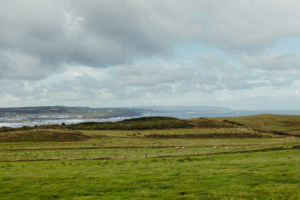
The Dingle Peninsula, just north of the Ring of Kerry, is often considered even more scenic by those who have driven both. Slea Head Drive circles the tip of the peninsula past beehive huts, Blasket Islands viewpoints, and some of the most dramatic coastal scenery anywhere in Ireland. According to Tourism Ireland, the Dingle Peninsula consistently ranks among the country’s most recommended regions for independent visitors, and having a car is the only practical way to explore it thoroughly.
Donegal: Ireland’s Hidden Northern Gem
Donegal is the part of Ireland that even many Irish people have not explored thoroughly. Sitting at the country’s far northwest, it is genuinely remote, strikingly beautiful, and blissfully uncrowded compared to Kerry or the Cliffs of Moher. For drivers willing to take the time, Donegal rewards that effort more generously than almost any other county.
Slieve League, Europe’s highest sea cliffs, dwarfs the Cliffs of Moher in scale but receives a fraction of the visitors. The drive to reach the viewing point climbs through narrow mountain roads that are thrilling in their own right.
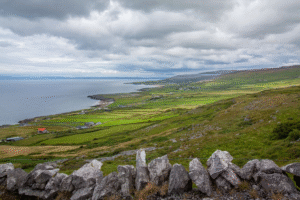
Driving in Donegal requires patience and comfort with narrow roads, but the payoff is enormous. Villages like Dunfanaghy, Ardara, and Glencolmcille offer authentic Irish hospitality without the tourist infrastructure that can make busier regions feel packaged. Visitors interested in private guided Ireland tours often find that combining their own driving with a guided day in Donegal lets them access routes and stories they would never discover independently.
Cork, Kilkenny and Ireland’s Ancient East
Ireland’s Ancient East offers a completely different driving experience from the western seaboard. The roads are generally wider, the distances shorter, and the attractions more concentrated, making it well suited to a self-drive itinerary that covers several counties without requiring long daily drives.
Kilkenny, with its medieval castle, narrow lanes, and craft breweries, makes an excellent base for exploring the southeast. From there, day drives to Cashel, Waterford, and the Hook Peninsula are all manageable without rushed schedules. Heritage Ireland manages many of the region’s most significant sites, including the Rock of Cashel and Kilkenny Castle, and their visitor information helps with planning opening times and access details.
Cork city and its surrounding coastline, including Kinsale and Cobh, add another dimension to an Ancient East road trip. The food scene in Cork alone is worth an extra night, and the coastal drives around West Cork rival the Wild Atlantic Way for beauty without the same volume of tour buses.
Meath, Clare and the Best Day Trip Destinations
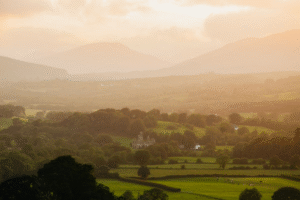
Not every part of an Irish road trip needs to involve long drives. Some of the country’s most rewarding destinations sit close enough to major bases to work as comfortable day trips, and knowing which ones these are can help you plan rest days that still feel productive.
The Boyne Valley in County Meath, home to Newgrange and the Hill of Tara, is less than an hour’s drive from Dublin and offers one of the most historically rich days available anywhere in Ireland. County Clare, with the Cliffs of Moher and the Burren, works well as a day trip from Galway or as a stopover between Kerry and the west coast.
Wicklow, often called the Garden of Ireland, is another day trip gem sitting on Dublin’s doorstep. Glendalough’s monastic ruins, the Wicklow Gap, and the Powerscourt Estate can all be visited in a single day without feeling rushed. According to Met Éireann, Ireland’s meteorological service, the east coast generally sees drier weather than the west, which can be a useful factor when deciding which direction to drive on any given day.
Where to Spend an Extra Night
Certain places in Ireland deserve more than a day trip, and knowing where to spend an extra night can transform a good itinerary into an exceptional one. Dingle town, with its live music pubs, seafood restaurants, and harbour walks, is a place most visitors wish they had given two nights instead of one. Kenmare, on the southern side of the Ring of Kerry, is another town that rewards an overnight stay with a slower, more authentic experience than the main tourist loop provides.
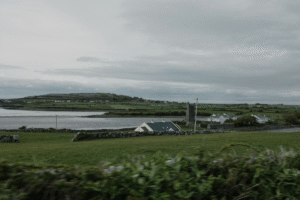
Galway city is worth at least two nights for its atmosphere alone: street performers, oyster bars, and a cultural scene that runs year-round. Clifden in Connemara and Westport in Mayo also offer the kind of unhurried experience that lets you absorb a region rather than just photograph it.
The general principle is simple: if a place has good food, live music, and interesting walks within reach, it deserves an overnight stay rather than a brief stop on the way to somewhere else. Discovering Ireland’s smaller towns at night, when the day trippers have left, is one of the genuine privileges of a self-drive holiday.
When Self Driving Meets Guided Touring
A self-drive trip and a guided experience are not mutually exclusive. Many of Ireland’s best itineraries blend both, using independent driving for the scenic routes and open exploration days while booking a private castle tour experience or a guided historical walk for days when expert commentary adds genuine value.
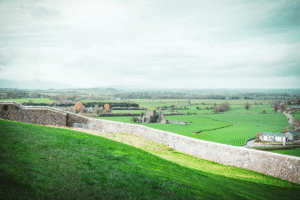
This approach works particularly well for historically rich areas like Meath’s Boyne Valley or Derry’s walled city, where the stories behind the stones matter as much as the stones themselves. A chauffeur-driven day also gives you a welcome break from navigating unfamiliar roads after several consecutive driving days.
Frequently Asked Questions (FAQs)
- What side of the road do you drive on in Ireland?
Ireland drives on the left side of the road. Roundabouts flow clockwise, and speed limits are posted in kilometres per hour. Visitors from countries that drive on the right should allow a few hours to adjust before tackling narrow rural roads.
- How long does it take to drive across Ireland?
Driving from Dublin to the west coast takes roughly three to four hours, but Irish roads, especially in scenic areas like Kerry and Donegal, take significantly longer than mapping apps suggest. Adding 20 to 30 percent to any estimated drive time outside of motorways gives a much more realistic picture.
- What is the best route for a self-drive tour in Ireland?
The Wild Atlantic Way along the western seaboard is the most popular driving route, with the Ring of Kerry and Dingle Peninsula as highlights. Ireland’s Ancient East, covering Kilkenny, Waterford, and Meath, offers shorter drives and more concentrated historical attractions for those who prefer less time behind the wheel.
- Can I combine self-driving with guided tours in Ireland?
Absolutely. Many visitors drive independently between regions and then book a private guided experience for historically rich areas like the Boyne Valley or Derry, where expert commentary adds genuine value. A chauffeur-driven day also gives you a welcome break from navigating unfamiliar roads after several consecutive driving days.
- When is the best time of year for an Irish road trip?
June through September offers the longest daylight hours and warmest weather, though rain is possible year-round. May and early October are excellent alternatives with fewer crowds, lower prices, and landscapes that shift beautifully between spring wildflowers and autumn colour. Winter driving is quieter but daylight hours are short, and some rural roads can be challenging.
Start Planning Your Irish Road Trip
We help visitors plan self-drive holidays that balance independence with expert local knowledge, so every day on the road feels intentional rather than improvised. Whether you want customised multi-day tour packages that combine driving with guided experiences, Cliffs of Moher private chauffeur tours for a day when someone else handles the road, or Kilkenny Castle guided tours that bring medieval Ireland to life, Royal Historical Tours builds every itinerary around your interests and pace. Contact us today to start planning a road trip through Ireland that you will remember long after the drive is over.