
Ireland offers far more than a short visit focused on one city or region. The island’s 32 counties each hold distinct traditions, historical sites, dialects, architecture, and local identity shaped through centuries of cultural development. Ireland’s multi-day tours provide visitors with the opportunity to experience these regional differences in a meaningful and organised way while avoiding rushed schedules and limited sightseeing.
Multi-day travel creates stronger continuity between regions and allows visitors to experience Ireland at a more comfortable pace. Instead of spending most of the day travelling between isolated attractions, visitors can move gradually between counties while understanding how geography, history, and local traditions connect across the island.
The Importance of Experiencing All 32 Counties
Ireland’s 32 counties represent centuries of shared and regional history across the island. Counties within the Republic of Ireland contain the majority of historical landmarks, preserved heritage towns, and major cultural sites, while the northern counties also contribute important historical context and architectural significance.
Experiencing multiple counties helps visitors understand how local identity changes from region to region. Speech patterns, music traditions, food preparation, and historical narratives often differ noticeably even between neighbouring areas. These distinctions contribute to Ireland’s strong regional identity and create richer travel experiences for visitors seeking historical and cultural depth.
Many travellers choose longer itineraries because shorter visits cannot adequately include heritage centres, historic estates, cathedral towns, coastal routes, museums, and rural communities within one schedule. Structured travel across multiple counties allows time for meaningful engagement instead of brief stops focused only on photography or major tourist locations.
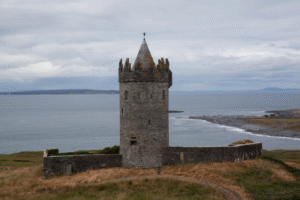
Dublin and the Eastern Counties
Dublin remains one of the most significant starting points for visitors arriving in Ireland. The city combines medieval streets, Georgian architecture, political history, and cultural institutions within a compact urban setting. Multi-day itineraries often begin with private Dublin city tours before extending into neighbouring counties.
Historic sites throughout Dublin reveal centuries of political, literary, and religious development. Museums, cathedrals, libraries, and preserved civic buildings provide strong historical context before visitors continue into the surrounding regions.
Nearby counties such as Meath and Wicklow add further depth to eastern itineraries. Ancient passage tombs, monastic settlements, and preserved estates reveal the importance of these regions within Irish history. Experiences, including the Wicklow day tour from Dublin, connect visitors with early Christian history, estate architecture, and scenic mountain routes.
The eastern counties also provide practical transition points into broader national travel routes, allowing visitors to continue southward or westward without rushed scheduling. Spending additional time in this region helps create a stronger understanding of Ireland’s political and religious development before moving into rural and coastal counties.
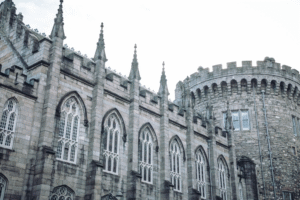
Southern Counties and Cultural Continuity
Southern Ireland contains many of the country’s most recognised heritage locations and historical centres. Counties such as Cork, Kerry, Kilkenny, and Waterford each contribute a distinct architectural, cultural, and historical identity.
Kilkenny remains particularly important for visitors interested in medieval history and preserved urban design. Kilkenny day tours provide access to castles, cathedrals, merchant streets, and civic landmarks reflecting centuries of local governance and trade. The city’s preserved streets and stone structures create strong visual continuity with Ireland’s medieval period.
Waterford also offers important historical context through Viking and medieval heritage. Experiences such as Reginald’s Tower tours provide insight into Ireland’s early urban settlements and maritime trade history. Museums and preserved structures throughout the region help explain the role of coastal commerce within Ireland’s development.
Further south and west, counties Kerry and Cork require additional travel time due to distance and regional spread. Many visitors choose self-drive experiences in these areas because extended routes and smaller rural roads make slower travel more practical and rewarding. Spending several days in the southern counties allows visitors to appreciate local traditions, coastal communities, and regional heritage more fully.
Multi-day itineraries across the south often include heritage centres, traditional music venues, cathedral towns, and preserved estates connected through scenic driving routes. These counties cannot realistically be appreciated within one or two rushed travel days.
Western Counties and Atlantic Heritage
Western Ireland presents a different atmosphere shaped by Atlantic weather, rural traditions, and strong local identity. Counties along the western coast remain deeply connected to Irish language heritage, farming traditions, and maritime history.
Galway frequently serves as a central point within western itineraries due to its cultural activity and coastal location. From there, travellers often continue toward Clare and the surrounding counties. Experiences such as Cliffs of Moher and Lahinch tours provide access to dramatic coastal formations and nearby communities shaped by fishing, farming, and tourism.
Longer itineraries allow visitors to spend more time in western villages where local traditions remain highly visible through music, language, and daily community life. Museums, archaeological sites, and heritage centres throughout the West also preserve evidence of early settlement patterns and agricultural history.
Many visitors underestimate the distances involved in Western travel. Multi-day routes reduce pressure by allowing slower movement between counties while providing adequate time for local stops and heritage visits. Overnight stays within western counties also improve opportunities to experience regional hospitality and evening cultural activity.
Self-drive travel becomes particularly valuable in western and northwestern counties where smaller roads and dispersed communities reward slower pacing. Donegal especially benefits from extended travel schedules because many attractions are separated by considerable driving distances.
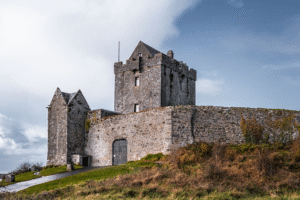
Northern Counties and Historical Context
Northern counties remain an important part of understanding the island’s shared history and political development. Historic cities, defensive structures, and preserved civic architecture provide valuable context for visitors interested in Ireland’s more recent historical periods.
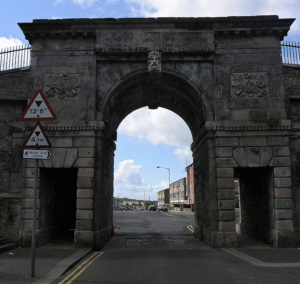
Derry continues to attract visitors seeking insight into religious, political, and military history. Experiences such as private Derry walking tours provide a structured interpretation of the city’s walls, civic history, and changing political identity across centuries.
While northern counties contribute meaningful historical experiences, multi-day itineraries across the Republic of Ireland often provide broader access to heritage sites due to the greater number of counties and preserved attractions located throughout the south and west. Balanced itineraries ensure visitors experience the island comprehensively while maintaining practical travel schedules.
Travellers moving between northern and southern counties also gain a greater understanding of how political divisions influenced architecture, governance, education, and community identity during different historical periods. Museums and historical interpretation centres across the island support this broader perspective.
Heritage, Castles, and Historical Continuity
One of the greatest advantages of multi-day travel involves the ability to connect Ireland’s major heritage sites into one continuous historical experience. Castles, cathedrals, museums, and ancient settlements become more meaningful when viewed within a broader regional context rather than isolated visits.
Experiences such as Ireland castle tours help visitors connect medieval architecture with political history, trade routes, and clan territories across different counties. Viewing castles in multiple regions also highlights differences in construction methods, defensive planning, and local materials.
Museum visits further strengthen understanding of Ireland’s historical continuity. Medieval collections, archaeological exhibits, and heritage centres explain how communities developed through trade, religion, warfare, and migration over many centuries. These experiences complement outdoor heritage visits by providing additional historical interpretation and preserved artefacts.
Multi-day travel allows visitors to build stronger historical understanding gradually. Each region contributes another layer of context, making later sites more meaningful because visitors already understand earlier historical developments encountered elsewhere during the trip.
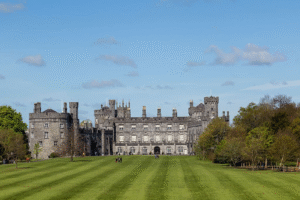
Cultural Experiences Beyond Major Attractions
Ireland’s cultural identity extends far beyond major landmarks and tourist centres. Smaller towns, rural communities, local markets, and regional festivals contribute significantly to visitor experiences during extended travel.
Travellers spending additional days in Ireland often gain opportunities to attend local music performances, visit community museums, and speak with residents about regional traditions. These personal interactions frequently become the most memorable aspects of longer itineraries.
Food traditions also vary between countries. Coastal communities emphasise seafood and maritime influences, while inland regions often reflect farming and agricultural heritage through local dishes and production methods. Multi-day routes allow visitors to experience these regional differences naturally while travelling between counties.
Seasonal events add further cultural value to longer visits. Heritage festivals, religious celebrations, and traditional music gatherings occur throughout the year across different counties. Visitors remaining in Ireland for extended periods are more likely to encounter authentic local events rather than relying solely on scheduled tourist activities.
Longer travel schedules also reduce fatigue. Instead of rushing between distant attractions, visitors can spend evenings resting within local communities while preparing comfortably for the following day’s activities. This slower pace improves overall enjoyment and supports a deeper appreciation of Ireland’s cultural character.
Transportation and Practical Planning
Practical travel planning remains essential when visiting multiple counties across Ireland. Distances between regions may appear manageable on maps but often require additional time due to rural roads, weather conditions, and frequent stops at heritage locations.
Multi-day itineraries allow transportation schedules to remain realistic and comfortable. Visitors travelling through several counties benefit from structured planning that balances driving time with meaningful sightseeing opportunities.
Private transport options remain popular because they allow greater flexibility and easier access to rural heritage sites. Experiences such as private Ireland tour packages help visitors maintain efficient travel schedules while reducing stress associated with unfamiliar routes.
Accommodation planning also becomes easier within organised itineraries. Staying overnight within different counties reduces unnecessary backtracking and creates smoother progression between regions. This structure allows visitors to experience more locations without spending excessive time in transit.
Visitors interested in genealogy, architecture, archaeology, or religious heritage particularly benefit from extended schedules because specialised locations are often spread across different counties. Multi-day travel provides adequate time to access archives, heritage centres, and local historical societies that may not fit within shorter visits.
Plan a Complete Ireland Heritage Experience
Ireland cannot be fully appreciated through a single route or short visit alone. The country’s 32 counties each contribute unique historical, cultural, and regional identity shaped through centuries of development. Multi-day travel provides the time necessary to connect these regions meaningfully while avoiding rushed schedules and limited sightseeing.
Experiences such as private guided Ireland tours, customised multi-day tour packages, and Cliffs of Moher experience tours help visitors gain a broader understanding of Ireland’s history, heritage, and local traditions across multiple counties.
For travellers seeking structured access to historic towns, coastal routes, castles, museums, and cultural landmarks across the island, Royal Historical Tours provides carefully organised itineraries designed to create meaningful and comfortable travel experiences across all 32 counties of Ireland. Contact us today.
FAQ’s
Why are multi-day tours better for visiting Ireland?
They allow visitors to experience multiple counties comfortably without rushing between major attractions and heritage sites.
Can travellers visit all 32 counties during one trip?
Yes, longer itineraries make visiting all counties possible through organised travel routes and overnight regional stays.
Which regions require extra travel time in Ireland?
Donegal, Kerry, and western coastal counties often require additional days due to distance and slower rural roads.
Are multi-day tours suitable for heritage-focused travellers?
Yes, extended itineraries provide time for museums, castles, genealogy centres, and historic towns across Ireland.
Do guided tours include both northern and southern counties?
Many structured itineraries include heritage locations across all 32 counties of Ireland.