
Ireland has a way of exceeding expectations, even for visitors who arrive with high ones. The landscapes are greener than the photographs suggest, the history runs deeper than any guidebook can fully capture, and the warmth of the people genuinely catches first-time visitors off guard. But turning all of that potential into a trip that actually works requires planning that goes beyond simply listing famous attractions. A reliable Ireland travel guide helps first-time visitors understand not just what to see, but how to structure their time so the trip feels unhurried rather than hectic.
This guide covers the decisions that shape a great Irish holiday: choosing the right season, building an itinerary that balances ambition with realism, exploring Dublin and the regions beyond it, and making time for the places that genuinely interest you rather than racing through every must-see list you find online. Whether you are considering the best guided tours or planning a self-drive adventure through the west, the goal is the same: arriving home feeling like you experienced Ireland rather than just visited it.
Choosing the Right Season to Visit
Ireland does not have a single best time to visit; it has different strengths in different seasons. Summer, from June through August, offers the longest daylight hours, often stretching past ten at night, and the warmest temperatures, though warmest in Ireland still means packing a jacket. According to Met Éireann, Ireland’s meteorological service, average summer temperatures range from 15 to 20 degrees Celsius, and rain remains possible in every month of the year.
Spring and autumn offer quieter roads, lower accommodation prices, and landscapes that shift dramatically in colour. April and May bring wildflowers and nesting seabirds along the coast. September and October deliver golden light and harvest festivals across the midlands. Winter is the quietest season, with shorter days but almost no crowds at major sites. Each season creates a different Ireland, and choosing the right one depends on what you value most: long evenings, peaceful roads, or the energy of peak season.
Building an Itinerary That Actually Works
The biggest planning mistake first-time visitors make is trying to see everything in a single trip. Ireland may look small on a map, but its roads, landscapes, and cultural depth mean that covering the entire island in seven to ten days leaves you exhausted rather than enriched. A better approach is to choose two or three regions and explore them properly, leaving room for spontaneous detours and slow afternoons.
A strong first trip itinerary might look something like this: two nights in Dublin to adjust and explore the city, followed by a night or two in Meath or Wicklow for history and nature, then a move west toward Clare for the Cliffs of Moher and the Burren, with a final stretch through Kerry or back east depending on your interests and pace.
The key is resisting the urge to add just one more stop. Every additional destination adds driving time and reduces the hours you spend actually experiencing each place. Private tour packages for Ireland often succeed precisely because they are designed by people who know how long things actually take in Ireland, rather than how long they appear to take on a map. Whether you plan independently or with professional guidance, building in at least one day with no fixed plans is genuinely one of the best itinerary decisions you can make.
Starting in Dublin
Most international visitors arrive through Dublin, and the city deserves more than just a quick overnight before heading west. Trinity College and the Book of Kells, the national museums, Temple Bar’s cobblestone streets, and the Georgian architecture of Merrion Square all reward at least a full day of exploration. Dublin is also a walking city, and covering its centre on foot is both practical and enjoyable.
The Kilmainham Gaol museum offers one of the most powerful and moving historical experiences available anywhere in the city, telling the story of Ireland’s struggle for independence through the very walls where its leaders were imprisoned and executed. The Guinness Storehouse and the Irish Emigration Museum round out a city that balances its past with a vibrant, modern identity.
According to Tourism Ireland, Dublin consistently ranks as one of Europe’s most welcoming capital cities, and its compact size means that even a short visit can cover significant ground. The city also serves as the natural launching point for day trips to Meath, Wicklow, and Kilkenny, all of which sit within ninety minutes of the city centre by car.
Meath and the Boyne Valley
County Meath, just north of Dublin, is home to some of the oldest and most significant historical sites in all of Europe. Newgrange, a megalithic passage tomb older than the Egyptian pyramids, is the headline attraction, but the surrounding Boyne Valley holds dozens of sites that tell a story spanning five thousand years of continuous human activity.
The Hill of Tara, seat of the ancient High Kings of Ireland, offers panoramic views across the midlands that connect the landscape to the mythology in a way that reading about it simply cannot replicate. Trim Castle, the largest Norman castle in Ireland, is another Meath highlight that benefits enormously from a guided visit rather than a self-directed walk around the exterior.
Meath is also where Heritage Ireland manages several of its most important sites, including the Bru na Boinne Visitor Centre, which controls access to Newgrange and Knowth. Booking ahead is essential during peak season, and arriving early in the day consistently produces the best experience.
Wicklow: The Garden of Ireland
Wicklow sits just south of Dublin, making it one of the most accessible regions for visitors based in the capital. Glendalough, a monastic settlement founded in the sixth century, sits in a glacial valley surrounded by lakes and forested hills that feel impossibly remote for somewhere less than an hour from a major city.
The Wicklow Mountains themselves offer driving routes, walking trails, and viewing points that change character with every season. The Military Road, built by the British in the early 1800s to flush out rebels hiding in the hills, now serves as one of Ireland’s most scenic drives. Visitors interested in a Wicklow day tour from Dublin often find that a guided day through the county reveals layers of history and landscape that a quick independent visit can easily miss.
Powerscourt Estate, with its Italianate gardens and waterfall, adds a very different dimension to a Wicklow visit. The combination of wild mountain landscapes and manicured estate grounds within the same county gives visitors a sense of just how varied Ireland’s scenery can be within a remarkably small geographic area.
The Cliffs of Moher and County Clare
The Cliffs of Moher are, for many visitors, the single most anticipated moment of an Irish trip. Rising over 200 metres above the Atlantic, they deliver a dramatic encounter with the raw power of Ireland’s western coastline that photographs simply cannot replicate. The visitor centre manages the experience well, but walking along the cliff path beyond the main viewing area, where the crowds thin and the perspective shifts, is where the real magic lives.
The Burren, just north of the Cliffs, is one of Ireland’s most unusual landscapes: a vast limestone karst region where rare wildflowers grow through ancient rock formations and megalithic tombs sit exposed on hillsides. Walking the Burren on a clear day feels like stepping onto another planet, and the contrast with the lush green fields that surround it makes the experience even more striking. Together, the Cliffs and the Burren make Clare one of the most rewarding counties in Ireland for a day trip from Galway or a dedicated overnight stay. Discover Ireland highlights both as essential stops on any western itinerary.
Day Trips Versus Longer Journeys
One of the most important decisions in planning an Irish trip is knowing when a day trip is enough and when a destination deserves a longer stay. Dublin, with its central location, supports excellent day trips to Meath, Wicklow, and Kilkenny without requiring you to change hotels. This makes it possible to explore several regions while keeping a single comfortable base.
Longer journeys work better when the destination itself rewards extended time and deeper exploration. Kerry, Donegal, and Connemara all benefit from at least two nights, since the driving distances from Dublin are significant and the regions themselves offer enough depth to fill several days without repeating a single road or attraction.
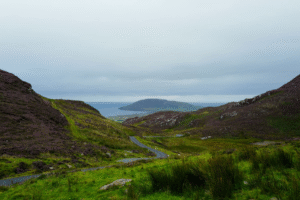
The ideal Irish itinerary often combines both: a few day trips from a central base early in the trip, followed by a longer journey west or north for the second half. This structure gives you time to adjust to Irish driving, settle into the pace of the country, and then explore more remote regions with confidence rather than anxiety. The Road Safety Authority reminds visitors that fatigue affects driving safety, which is another practical reason to avoid back-to-back long driving days.
Understanding Irish Culture and Life Beyond the Tourist Trail
Ireland’s culture is not something that exists only in museums and heritage centres. It lives in the conversations you have in pubs, the traditional music sessions that start without announcement in the corner of a bar, the storytelling tradition that turns a simple question about a local landmark into a twenty-minute history lesson, and the genuine hospitality that makes visitors feel welcome rather than merely tolerated.
Making time for these cultural encounters means building space into your itinerary for evenings in small towns, afternoons in local cafes, and conversations with people who live in the places you are visiting. Exploring Ireland’s rich heritage is as much about the living culture as the ancient monuments, and first-time visitors who balance both consistently describe their trip as more meaningful than those who focus exclusively on sightseeing attractions.
Learning a few words of Irish, understanding the significance of GAA sports in local communities, and knowing why a round of drinks works the way it does in an Irish pub are small details that signal respect and curiosity, and Irish people notice and appreciate both.
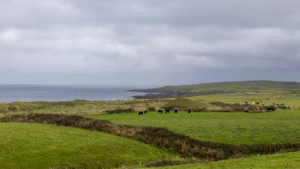
Making Time for the Places That Genuinely Interest You Most
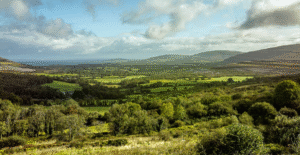
The best Irish holidays are shaped by genuine interest rather than obligation. If you love history, spend an extra day in Meath rather than rushing to tick off the Cliffs of Moher. If wild landscapes excite you more than city life, skip a second day in Dublin and head straight to Connemara or Donegal. If food and culture are your priorities, give Cork or Galway the time they deserve rather than treating them as overnight stops between scenic drives.
Ireland rewards specificity. A trip built around what you actually care about will always feel more satisfying than one that tries to cover absolutely everything the internet tells you not to miss. The Tourism Ireland planning tools can help you research specific regions before you arrive, and having a clear sense of your priorities before booking accommodation makes every subsequent planning decision easier and more confident.
Let Us Help You Plan Your First Irish Adventure
We help first-time visitors build itineraries that balance must-see highlights with the slower, more personal experiences that turn a holiday into a lasting memory. Whether you want Dublin’s historical tours that bring the city’s story to life, or want Newgrange Megalithic Tomb trips through the Boyne Valley with a certified guide that handles the driving so you can focus on the scenery, Royal Historical Tours designs every experience around your interests and pace. Contact us today to start planning a first trip to Ireland that you will want to repeat.