
Long before it had a marketing name, the region now called Ireland Ancient East was already layered with Viking ports, Norman fortresses, and monasteries that shaped how the rest of the country would develop. Stretching across roughly seventeen counties in the east, midlands, and south, it’s less a single trail than a patchwork of overlapping histories: Gaelic kingdoms giving way to Viking traders, Viking traders giving way to Norman lords, and Norman lords eventually building the castles and towns that still define places like Trim and Kilkenny today. This guide walks through that layered history region by region, and points to where you can still see it firsthand — useful whether you’re planning Ireland historical tours around a single county or trying to understand how it all connects before you go.
| Quick Facts About Ireland’s Ancient East
· Covers approximately 17 counties across eastern, midland, and south-eastern Ireland. · Showcases more than 5,000 years of history, from prehistoric monuments to medieval towns. · Includes major heritage sites such as Trim Castle, Waterford’s Viking Triangle, and Mellifont Abbey. · Explores four key historical themes: Ancient Ireland, Early Christian Ireland, Medieval Ireland, and Anglo-Ireland. · Many of its best-known attractions are within easy driving distance of Dublin. |
What Is Ireland’s Ancient East?
Ireland’s Ancient East is a Fáilte Ireland tourism region covering roughly seventeen counties across the east, midlands, and south-east of the country, built around 5,000 years of layered history rather than a single driving route. It runs from County Monaghan in the north to County Cork in the south.
Unlike the coastal Wild Atlantic Way, Ireland’s Ancient East doesn’t follow one fixed road — Tourism Ireland organises it instead around four historical themes: ancient Ireland, early Christian Ireland, medieval Ireland, and Anglo-Ireland. That structure makes it easier to plan a trip around a specific period rather than trying to see everything at once.
Today, the region appeals to travellers who want to experience several eras of Irish history in a single journey, with prehistoric monuments, medieval towns, and monastic settlements often located within a short drive of one another.
What Viking History Can You Find in Ireland’s Ancient East?
Ireland’s Ancient East holds some of the country’s most significant Viking history, most notably in Waterford, which Norse settlers founded in 914 AD and which remains Ireland’s oldest city. Reginald’s Tower, its oldest surviving civic building, has stood on the same site for over 800 years.
Waterford’s Viking Triangle groups several museums around the original Norse settlement, and it was here, in 1170, that the Norman knight Strongbow married Aoife, daughter of the King of Leinster — a marriage that helped seal the Norman claim to Ireland. It’s a rare case of Viking and Norman history sitting on almost the same street corner.
How Did the Normans Shape Ireland’s Ancient East?
The Normans reshaped Ireland’s Ancient East after they arrived in 1169-1170 by building stone castles, walled towns, and a new system of lordships across the region, replacing or absorbing existing Gaelic kingdoms. Trim Castle in County Meath is the clearest surviving example of that ambition.
Built from 1172 by the Norman baron Hugh de Lacy, Trim Castle is the largest Anglo-Norman castle in Ireland, with a keep that took over thirty years to complete. It stands today as one of the region’s most complete examples of medieval military architecture, and the kind of site that turns historical tours in Ireland into something you can actually walk inside.
What Role Did Monasteries Play in Ireland’s Ancient East?
Monasteries played a central role in Ireland’s Ancient East as centres of learning, land management, and religious life for centuries before the Normans arrived, and many continued to operate long after. Sites like Mellifont Abbey in County Louth mark the point where Irish monastic tradition met wider European religious reform.
Founded in 1142 as Ireland’s first Cistercian monastery, Mellifont Abbey introduced a new, more formal style of monastic architecture to the country and went on to establish daughter houses as far away as Roscommon. Exploring sites like this is where cultural tours in Ireland tend to go deepest, since the story of the buildings and the story of the land are the same story.
What Are the Best Sites to Visit in Ireland’s Ancient East?
The best sites in Ireland’s Ancient East combine at least two of its historical layers in a single visit — a Viking city, a Norman castle, and an early monastery are often within an hour’s drive of each other. County Meath packs an unusual amount of this history into a small area.
Our Ireland Ancient East Package is built around exactly this kind of layered day, moving between medieval, monastic, and Viking sites rather than sticking to one theme. For visitors focused specifically on Viking history, our Waterford Day Tour spends more time in the city where Ireland’s post-Gaelic story effectively begins, and works well as part of broader history tours of Ireland covering several centuries at once.
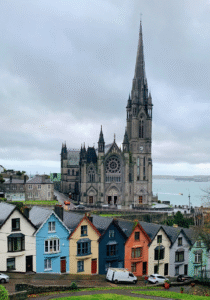
Exploring Ireland’s Ancient East is about seeing how each period of history built upon the last, creating a landscape where prehistoric tombs, Viking settlements, Norman castles, and medieval monasteries exist side by side.
Walk Through Layers of History in a Single Day
Ireland Ancient East isn’t really one story — it’s Viking traders, Norman lords, and Gaelic monks all leaving their mark on the same stretch of countryside, sometimes within sight of each other. At Royal Historical Tours, we build Ireland heritage tours around exactly this kind of layered history, with a private guide who can explain how a Viking tower, a Norman keep, and a medieval abbey all fit into the same afternoon. Whether you’re planning a single-day Ireland heritage trip through County Meath or a longer route through the wider region, we can shape an itinerary around the heritage tours in Ireland that actually interest you. Contact us today to start planning your journey through Ireland’s ancient east.
Frequently Asked Questions
How Many Counties Are in Ireland’s Ancient East?
Ireland’s Ancient East covers roughly seventeen counties across the east, midlands, and south-east of the country, stretching from County Monaghan in the north to County Cork in the south. It’s organised as a region rather than a single fixed driving route.
What Is the Oldest City in Ireland’s Ancient East?
Waterford is the oldest city in Ireland’s Ancient East and in Ireland as a whole, founded by Viking settlers in 914 AD. Its Reginald’s Tower is the oldest surviving civic building in the country.
Is Trim Castle the Largest Castle in Ireland?
Yes, Trim Castle in County Meath is the largest Anglo-Norman castle in Ireland. It was built from 1172 by the Norman baron Hugh de Lacy and took over thirty years to complete.
Can I Visit Ireland’s Ancient East as a Day Trip from Dublin?
Yes, many of the region’s best-known sites, including Trim Castle and Mellifont Abbey, are within an hour’s drive of Dublin. Waterford is a longer drive but still manageable as a full-day trip from the capital.