
Ireland’s northwest is made for travellers who enjoy taking the scenic route. In County Donegal, winding coastal roads lead to towering cliffs, quiet beaches, mountain passes and small towns where traditional crafts and local history remain part of everyday life. Rather than rushing between attractions, a self-drive holiday gives you the freedom to stop when a view catches your eye, explore a historic site or spend a little longer somewhere unexpected.
Donegal is also a county where distances can be deceptive. Attractions that look close together on a map may require more driving time than expected, especially along narrow coastal roads. With a flexible, multi-day itinerary, you can experience more of the landscape without turning every day into a race against the clock.
Why Explore Donegal on a Self-Drive Holiday?
Donegal has a distinct character shaped by its Atlantic coastline, Gaelic heritage, rural communities and long history of settlement. Its attractions range from ancient stone forts and historic castles to working craft traditions and expansive national parkland.
For travellers considering self-drive tours in Ireland, Donegal offers the chance to build a journey around personal interests. You might spend one morning exploring a lighthouse, the afternoon walking along a beach and the next day discovering local history in a heritage centre. You can also adapt your plans around the weather, which is particularly useful when travelling along the exposed Atlantic coast.
The county forms part of the Wild Atlantic Way, Ireland’s coastal touring route. The official Discover Ireland guide to planning a Donegal road trip offers inspiration for exploring the northwest, with ideas for coastal drives, historic sites and outdoor activities.
For visitors comparing Ireland heritage tour packages, Donegal provides a different experience from a city-based holiday. Its open landscapes and scattered attractions reward travellers who want to explore at their own pace, while its historic sites offer plenty of opportunities to learn about the region’s past.
water-during-daytime-WVrCcyX mr6E
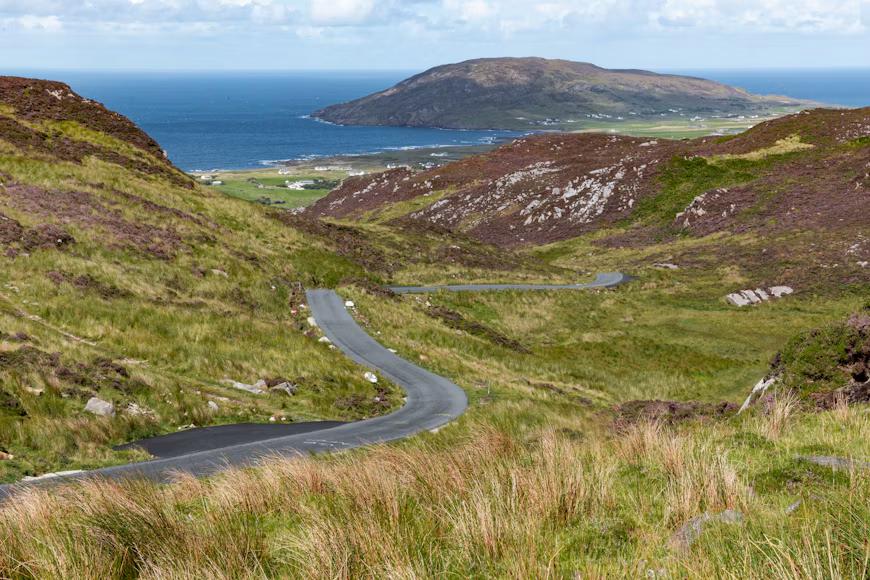
Day One: Discover Donegal Town and the Southern Coast
Donegal Town makes a useful starting point for exploring the county’s southern and western areas. Set beside the River Eske, it combines a compact town centre with easy access to nearby coastal scenery.
Begin with Donegal Castle, a fifteenth-century stronghold associated with the O’Donnell dynasty. Its history offers an introduction to the Gaelic lords who once held considerable influence in this part of Ireland. The castle is a worthwhile stop for anyone interested in Ireland castle tours, particularly those who enjoy exploring historic buildings beyond the better-known attractions.
Afterwards, take time to explore the town, browse local shops or stop for lunch before continuing along the coast.
If you have time, travel towards Killybegs, a busy fishing port with a strong maritime identity. The harbour provides a different perspective on Donegal, showing how the Atlantic is not simply a backdrop for visitors but a vital part of local working life.
Continue towards the Slieve League cliffs, known locally as Sliabh Liag. These dramatic cliffs rise above the Atlantic and provide some of the county’s most striking coastal views. Allow sufficient time for the approach, parking and any walking you plan to do, and check local access information before setting out.
This first day introduces several aspects of Ireland’s rich heritage, from Gaelic history and maritime traditions to the natural landscape that has shaped communities along the coast.
Day Two: Explore Glencolmcille and the Wild Atlantic Coast
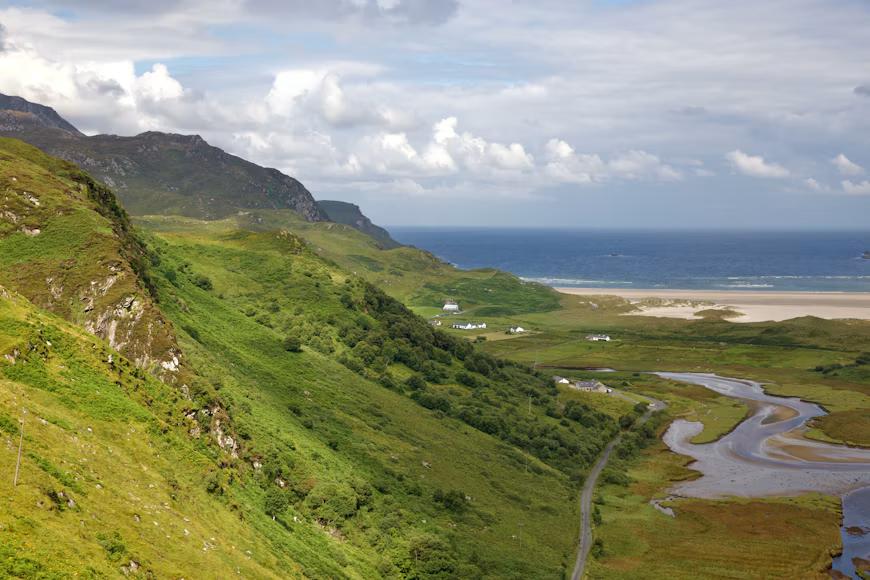
Dedicate the second day to the landscapes and cultural heritage of southwest Donegal. The area around Glencolmcille is known for its rugged scenery, traditional culture and archaeological remains, making it particularly rewarding for travellers who prefer exploring beyond the main tourist stops.
The Glencolmcille Folk Village offers insight into traditional rural life through reconstructed cottages and displays. It provides context for understanding how people lived and worked in the region before modern transport and technology transformed daily routines.
Nearby, the roads lead through rocky headlands, open hills and beaches. Silver Strand at Malin Beg is one possible stop, although the descent to the beach involves steps and may not suit every visitor. Check conditions before visiting and leave time to enjoy the surroundings rather than treating each stop as a quick photograph opportunity.
You could also travel through the Glengesh Pass, where the road winds between steep green slopes. Drive carefully, watch for other road users, and use designated stopping areas rather than pulling over wherever the view looks appealing.
For additional inspiration, Go Visit Donegal’s scenic driving routes highlight coastal villages, beaches, heritage locations and cultural stops around the county.
Day Three: Mountains, Gardens and Northern Donegal
If your schedule allows a third day, head towards the northwestern part of the county. This gives you time to experience a different landscape without having to retrace your steps in a single exhausting day.
Glenveagh National Park is a strong choice for nature lovers. Its mountains, lakes and woodland offer walking opportunities, while Glenveagh Castle and its gardens provide a historical counterpoint to the surrounding scenery. Choose a trail that suits your available time and check current visitor information before travelling.
You can also explore the area around Dunfanaghy and Ards Forest Park, where woodland trails, beaches and coastal habitats provide plenty of opportunities to get out of the car. If local crafts interest you, consider a stop at a Donegal tweed producer. The county has a long association with woollen textiles, and seeing the craft up close adds another dimension to the trip.
Travellers with more time may want to continue towards Fanad Lighthouse or the Inishowen Peninsula. These are worthwhile additions, but they should not be squeezed into the same day as every other northern attraction. The Go Visit Donegal attractions guide can help you select stops based on your interests.
How to Plan a Realistic Donegal Road Trip
The best private Ireland tour packages and independent itineraries have something important in common: they allow enough time to experience each destination properly. In Donegal, that means planning by region rather than trying to cover the entire county from one base.
A few practical considerations can make a considerable difference:
- Allow at least three days if possible. This gives you time to explore separate parts of the county without spending most of your holiday behind the wheel.
- Choose overnight stops strategically. Staying in different areas can reduce backtracking and make early starts more manageable.
- Account for road conditions. Coastal routes may be narrow or winding, and journey times can be longer than the distance suggests.
- Keep your itinerary flexible. Weather, walking conditions and opening hours can affect what is practical on a given day.
- Mix driving with time outdoors. Beaches, woodland trails and historic sites are more enjoyable when you have time to explore on foot.
Travellers who prefer a longer route can consider customised multi-day tour
packages as inspiration for structuring their journey, even when driving independently. The key is to group nearby attractions together and avoid spending valuable holiday time repeatedly crossing the same roads.
If you want to include family-history stops, research them before departure.
Ancestral research tours in Ireland can involve locating a particular townland, church or former family homestead, and these visits may require additional planning.
For travellers whose Irish connections extend beyond Donegal, genealogy tours of Ireland can also provide a way to incorporate ancestral locations elsewhere in the country. Researching those connections before travelling helps ensure that the itinerary reflects genuine family links rather than relying on guesswork.
Make Time for the Unexpected
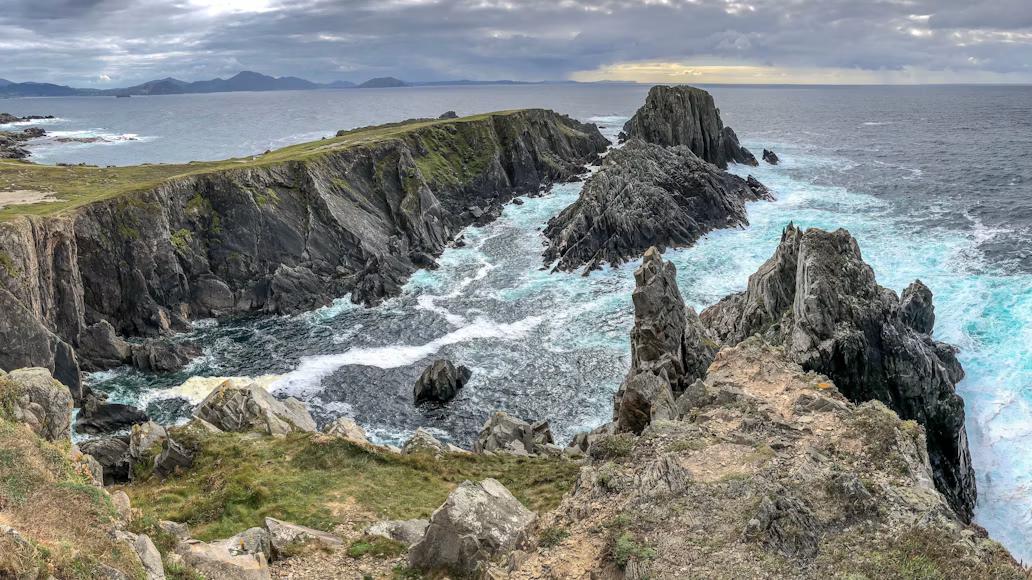
A successful Donegal road trip is not measured by how many attractions you manage to tick off. It is about having the freedom to discover a quiet stretch of coastline, learn about a local tradition or spend an extra hour somewhere that captures your imagination.
Donegal rewards that slower approach. Its landscapes are dramatic, but its identity is just as much about the communities, crafts and histories found along the way.
With a thoughtfully planned route and enough time to explore, the journey can become as memorable as the destinations themselves.
Plan Your Irish Self-Drive Experience with Us
At Royal Historical Tours, we help travellers explore Ireland through personalised heritage experiences, genealogy research and self-drive options. Whether you want to discover Donegal’s coastal landscapes or connect your travels with your family history, we can help you plan a journey that reflects your interests and gives you time to experience Ireland at your own pace.
Contact us today to discuss your Irish self-drive holiday and start planning a journey through Ireland’s landscapes, history and family heritage.