
Ireland has a way of getting under your skin long before you land. Green hills, stone walls, foggy coastlines and pubs that feel like a second living room, it’s easy to see why so many people put this island at the top of their travel list. But a great Irish holiday doesn’t happen by accident. It takes a bit of planning, some local know how, and honestly, a willingness to slow down.
This guide walks you through everything worth knowing before you go, from timing your trip right to building an itinerary that actually fits how you travel. We’ll also look at how custom family tours of Ireland take the guesswork out of the equation entirely, so you spend less time googling and more time enjoying the trip.
Whether you’re travelling as a couple, bringing the whole extended family, or planning a solo trip built around your own family history, a bit of preparation now saves a lot of stress later. Ireland rewards travellers who slow down and pay attention to the small details, the local pub recommendation, the unmarked lane that leads to a better view, the parish records office that happens to be open an extra hour that day.
This guide pulls together the practical and the personal, so you land in Ireland feeling ready rather than overwhelmed.
Choosing the Best Time to Visit Ireland
Ireland doesn’t really have a bad season, but each one offers something different. Summer (June to August) brings the longest days and busiest roads. You’ll get more daylight for sightseeing, but also higher prices and fuller hotels. Spring and autumn are the sweet spot for most travellers. The weather is milder, the crowds thin out, and the countryside still looks like something off a postcard.
Winter has its own charm too, cosy pubs, quieter ancient castles, and a much slower pace, though some rural attractions do reduce their hours. If flexibility works for you, shoulder season trips tend to pair well with Ireland cultural tours, since venues and guides have more time to give each group proper attention rather than rushing through a packed itinerary. It’s also worth checking local event calendars before you book.
Festivals, markets and heritage days pop up throughout the year in towns you might otherwise drive straight past, and timing your visit around one can turn an ordinary afternoon into a genuine highlight of the trip.
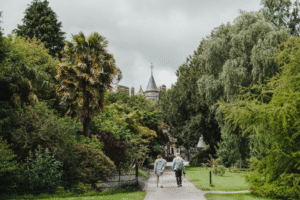
How Long Should You Stay?
A week is the bare minimum if you want to see more than Dublin. Two weeks lets you properly explore two or three regions without feeling like you’re just ticking boxes. Families in particular benefit from a slower pace, since young children and grandparents alike need breathing room between activities. This is where the best Ireland tours for families really shine, because they’re built around realistic daily distances rather than cramming in as much as physically possible.
If your time is limited, it’s worth choosing one or two regions and doing them properly instead of racing across the whole country. It’s a common mistake to plan an itinerary that looks good on paper but leaves everyone exhausted by day three. Build in at least one slow day per week, a morning with nothing scheduled, a long lunch, an afternoon nap for the kids, and the rest of the trip tends to feel far more enjoyable as a result.
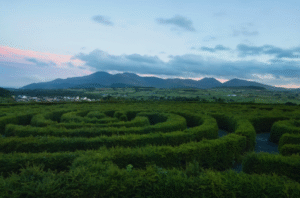
Understanding Ireland’s Regions
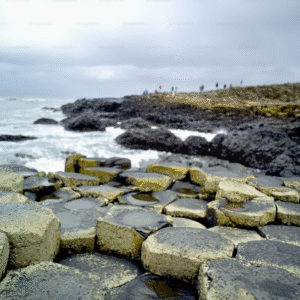
Ireland might be small, but its regions feel remarkably distinct from one another. Dublin and the east coast offer history, museums and a buzzing food scene. The Wild Atlantic Way along the west coast delivers cliffs, beaches and some of the most dramatic scenery in Europe. The south has gentler landscapes, medieval towns and a slower rhythm, while the north brings the Giant’s Causeway, walled cities and a fascinating layered history.
Rather than trying to see everything, many travellers find that personalized Ireland excursions work best when they focus on two or three regions that genuinely interest them, whether that’s coastal drives, historic sites or quiet countryside villages. It also helps to think about pace as much as geography. Some regions, like the midlands, suit a slower exploratory style with plenty of small detours, while others, like the Ring of Kerry, are better suited to a single well-planned day where the scenery does most of the talking.
Driving Tips for Visitors
Driving in Ireland is one of the best ways to see the country, but it does take a little getting used to. Roads are narrower than most visitors expect, especially in rural areas, and driving is on the left. Rural signage can be inconsistent, so a good GPS or offline map is essential. Roundabouts are everywhere and take a bit of practice.
If self-driving feels daunting, especially with kids or elderly relatives in the car, many family Ireland tours now include a private driver as standard, which removes the stress entirely and lets everyone actually look out the window instead of focusing on the road. Fuel is sold by the litre, distances are shown in kilometres, and speed limits change more often than visitors expect, so a bit of familiarity with local signage goes a long way before you get behind the wheel.
Tracing Your Family Roots While You Travel
For a huge number of visitors, especially those with Irish surnames tucked somewhere in the family tree, a trip to Ireland is also a chance to dig into genealogy in Ireland. Millions of people around the world can trace some part of their ancestry back to this island, and walking the same land your great grandparents once did is a genuinely moving experience.
Getting started with Irish ancestry research doesn’t need to be complicated. Parish records, land registries and local archives across the country hold detailed information going back generations, and many regional heritage centres are set up specifically to help visitors begin tracing their Irish roots, even with just a surname and a rough sense of where a family may have come from. Even fragments of information help. An old letter, a family Bible with names scribbled inside the cover, or a half-remembered story passed down at Christmas dinner can be enough to point a researcher in the right direction once you’re on the ground.
Working with a Professional Genealogist
If your own research hits a wall, or you’d simply rather not spend your holiday buried in archives, it’s worth choosing to hire an Irish genealogist before your trip. A professional can dig through records far faster than a first-time researcher, cross-referencing parish registers, census fragments and emigration records to build a clearer picture of your family history.
Many genealogy services in Ireland combine this research with an actual visit to the townland or graveyard connected to your family, turning a name on a page into a real place you can stand in and photograph. Some visitors choose to book Irish genealogy services well ahead of their trip, so any missing records can be tracked down before they arrive rather than discovered after they’ve already flown home.
Regional Genealogy Highlights
Certain counties are particularly rich for family history research, largely because of how well their records survived and how many emigrants left from these areas. Donegal family history research is especially popular thanks to strong parish record keeping and a well-documented emigration trail to Scotland and North America. Further south, Mayo family genealogy work often uncovers stories tied to the Great Famine, since Mayo was among the hardest hit counties in the country.
Meanwhile Tipperary family history research tends to turn up detailed land records, since the county’s agricultural estates kept unusually thorough documentation well into the nineteenth century. Wherever your family came from, there’s a good chance the records still exist somewhere. County heritage centres are usually the best starting point, since many hold digitised local records that haven’t made their way onto national databases yet, and staff are often happy to point visitors towards the right graveyard or townland.
Packing Essentials and Practical Tips
Ireland’s weather is famously changeable, so layers are non-negotiable. Pack a proper waterproof jacket rather than relying on an umbrella, since coastal wind makes umbrellas fairly useless. Comfortable, broken in walking shoes matter more than anything stylish, especially if your itinerary includes cliff walks or castle grounds. A universal adapter, a portable charger, and a small day bag round out the essentials.
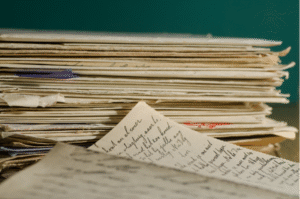
If genealogy research is part of your trip, bring any family documents, old letters or photographs you already have, since local archivists on ancestry travel tours can often spot clues that get missed at home. A small folder with copies, rather than originals, is usually enough, and it means nothing irreplaceable gets lost along the way if the weather turns and a page or two gets damp.
Building the Perfect Itinerary with Guided Tours
Once you know roughly where you want to go and what you want to see, the last piece is tying it all together. This is where guided support genuinely earns its keep. Rather than juggling bookings, directions and opening hours yourself, a well-planned Ireland genealogy itinerary lets local experts handle the logistics while you focus on the experience.
Whether it’s a countryside drive, a family history tours stop at a local archive, or simply a relaxed few days exploring genealogy Ireland has to offer, the right guide turns a good holiday into an unforgettable one. It also means less time lost to wrong turns, closed attractions or overbooked restaurants, and more time actually standing in the places that matter to your family’s story.
Everyday Culture Worth Slowing Down For
Some of the best moments in Ireland don’t happen at famous landmarks at all. They happen in a small bakery in a town with no name you’ll remember, or during a chat with a stranger at the bar who somehow knows a cousin of a cousin. Traditional music sessions, or trad sessions as locals call them, pop up in pubs most nights of the week, often with no advance notice and no cover charge, just musicians who turned up with instruments and decided to play.
Markets are another good way to get a feel for daily life, from the weekly farmers markets in smaller towns to the larger food halls in cities like Cork and Galway. If your trip includes any family research, it’s worth asking locals in the area your ancestors came from about old customs, place names or nicknames still used for townlands, since this kind of local knowledge rarely makes it into official records but often explains a great deal about how a family lived.
Your Next Step
At Royal Historical Tours, we’ve helped families from all over the world plan trips that go far beyond the usual tourist stops, and we’d love to do the same for you. Our team builds custom family tours of Ireland around your family’s story, your pace and your interests, whether that means tracing a surname back three generations or simply exploring the regions that matter most to you.
We handle the driving, the bookings and the local knowledge, so you can focus on being present. If genealogy is part of your journey, we’ll connect you with trusted researchers and arrange family history tours to the exact townlands your ancestors called home.
From ancestry travel tours to relaxed coastal drives during your day trips, every itinerary we build is genuinely yours. Reach out today and let’s start shaping a trip that feels less like a holiday and more like coming home, even if it’s your first time setting foot on Irish soil.
Frequently Asked Questions
- When is the best time for custom family tours of Ireland?
Late spring and early autumn offer mild weather, smaller crowds and better availability for personalized Ireland excursions, making them ideal for families wanting a relaxed pace without peak summer prices or packed attractions.
- How far back can Irish ancestry researchtypically go?
Many parish records date back to the early 1800s, and in some regions even earlier. Working with genealogy services in Ireland can help uncover documents ordinary online searches often miss entirely.
- Do I need to hire an Irish genealogist before I travel?
Not necessarily, but it helps. Starting Irish ancestry research beforehand means your trip can focus on visiting confirmed family locations rather than spending precious holiday time searching blind.
- Are custom family tours of Ireland suitable for elderly relatives?
Yes. The best Ireland tours for families are built around realistic pacing, private transport and flexible schedules, making them comfortable for multi generational groups travelling together.
- What records are used in Donegal family historyor Mayo family genealogy research?
Researchers typically use parish registers, land valuations, emigration lists and census fragments, all of which help piece together family stories tied to specific townlands and local history.