
There is a particular kind of trip that changes how a person understands their own family, and it usually begins with a single question: where did we actually come from? Irish genealogy research answers that question in a way that goes far beyond a name on a family tree. It turns an ordinary holiday into something considerably more personal, transforming castle visits and countryside drives into a journey that connects directly to the people who came before.
For the 80 million people worldwide with Irish ancestry, this kind of trip offers something a standard sightseeing itinerary simply cannot, and understanding how the process actually works helps set realistic expectations before the journey even begins.
Why Genealogy Research Matters
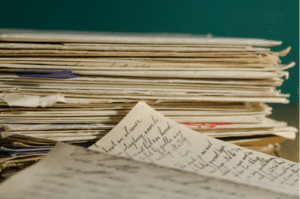
Most people who pursue genealogy in Ireland start with fragments. A surname passed down through generations, a vague sense of which county a great-grandparent left from, perhaps an old photograph with no names written on the back. Professional research fills in these gaps using sources that rarely surface through casual online searching: civil registration records, church baptism and marriage registers, land valuation surveys, and gravestone inscriptions held in local archives across the country.
Why the Townland Matters Most
The townland is where genealogy research becomes genuinely transformative rather than simply informative. Ireland has over sixty thousand townlands, and identifying the exact one connected to a specific family, rather than simply the county, is what allows a visitor to stand in the actual place their ancestors lived.
Whether the family connection traces to Donegal family history, Mayo family genealogy, or any other county across the island, the process follows the same path: careful documentary research, verification against primary sources, and finally a visit that turns an abstract family story into a physical place that can be seen, touched, and walked through. Few experiences compare to standing on the exact plot of land a family farmed for generations before circumstances forced them to leave.
Researching Across the Border
Genealogy research does not stop at the border, and many family histories actually run through both jurisdictions on the island. Northern Ireland genealogy research requires its own specific expertise, since records in the north are held across a different set of archives and administrative systems than those in the Republic.
A genealogist in Northern Ireland needs familiarity with both systems, particularly for families whose ancestors moved between counties before emigrating, which was considerably more common than many descendants realise. Northern Ireland genealogy specialists frequently uncover migration patterns within Ireland itself that complicate, and ultimately enrich, the family story being researched.
The Human Detail That Changes Everything
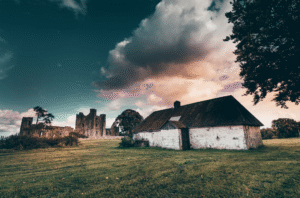
What makes this kind of research so powerful is the human detail it uncovers along the way. A family might discover that their ancestors lived in a specific cottage that still stands, or find a headstone in a rural churchyard bearing their own surname, weathered but legible after more than a century. These moments tend to affect visitors far more deeply than any standard tourist attraction, because they are not viewing history from a distance.
They are standing inside their own family’s story, often for the first time in their lives, surrounded by the landscape that shaped the people who eventually became their grandparents or great-grandparents. Guides who specialise in this kind of work understand how emotionally significant these moments can be, and they shape the day accordingly, often building in history tours of Ireland so the wider historical context is never lost.
Understanding the Famine’s Role
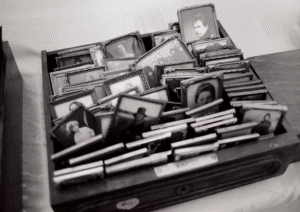
Understanding the historical context behind a family’s emigration adds another layer of meaning to the experience. For many families, the Irish potato famine immigration of the 1840s and 1850s explains why their ancestors left at all, and visiting Ireland with that context in mind transforms how a visitor reads the landscape.
A ruined cottage or an abandoned village takes on a different weight once a guide can explain what conditions were actually like in that specific county during the famine years, and why so many families had little choice but to leave everything behind. Workhouse records, where they survive, often provide some of the most poignant details available to family researchers.
Researching From Australia
For descendants of Irish emigrants now living in Australia, this kind of trip often carries particular significance. Many family historians researching from genealogy tours from Sydney or family history tours from Brisbane arrive in Ireland after years of independent research, often hitting the same brick walls that online databases cannot resolve.
Connecting with an Irish genealogist before travelling allows these visitors to arrive with a confirmed townland and a clear itinerary, rather than spending precious holiday time guessing where to go. Given the distance and cost involved in travelling from Australia, arriving with research already completed makes an enormous practical difference to how the trip unfolds.
Choosing the Right Genealogy Partner
Genealogy services Ireland vary considerably in quality and depth, and choosing a provider with genuine archival expertise rather than a purely online subscription service makes a meaningful difference to the results. Irish genealogy services that combine research with guided travel offer a particular advantage: the researcher who locates the records is often the same person who walks the family through the actual locations, ensuring continuity and context that gets lost when research and travel are handled by separate, unconnected providers.
Let Us Help You Find Your Story
At Royal Historical Tours, we combine professional Irish ancestry research with personally guided tours of the places that matter most to your family’s story.
Working in partnership with My Ireland Family Heritage, our in-house team of certified genealogists and tour guides handles both the research and the touring side seamlessly, searching civil records, church registers, and local archives to locate your ancestral townland before you ever arrive. Whether your family history runs through County Meath, Donegal, Tipperary, or anywhere else on the island, we build a personalised itinerary around what we find, with stops at ancestral homesteads, churches, and graveyards that bring your family’s story to life.
Genealogy research in Ireland like this takes time, care, and genuine local knowledge, and we are proud to offer exactly that, alongside dedicated family history tours for visitors who want their genealogy woven into a wider trip. Our Ireland genealogy partnerships mean the research and the journey are never disconnected.
Contact Royal Historical Tours today to begin tracing your Irish roots properly, well before you book your flight.