
Ireland offers far more than scenic landscapes and dramatic coastlines. The island tells its story through remarkable museums, ancient monuments, and preserved heritage sites that span thousands of years. If you want to truly understand Ireland’s past, you need to explore its museums and historical attractions in depth.
This guide to Ireland’s history museums highlights the most compelling places to include in your itinerary. From prehistoric tombs to medieval cities and modern exhibitions, each destination reveals a different layer of Ireland’s rich heritage. You will find countless opportunities to connect with history in meaningful and memorable ways.
Why Ireland’s History Museums Deserve a Place in Your Itinerary
Ireland’s history stretches back over 5,000 years, and its museums reflect this depth with extraordinary detail. You don’t just observe artifacts; you experience stories of migration, conflict, faith, and culture. These institutions bring history to life through immersive storytelling.
Museums across the Republic of Ireland place strong emphasis on authenticity and engagement. Curators design exhibitions with interactive displays and reconstructed settings that draw visitors into the narrative. Many travellers pair these visits with Dublin historical tours to deepen their understanding.
Dublin: A Gateway to Ireland’s Historical Narrative
Dublin serves as the ideal starting point for exploring Ireland’s history museums. The city blends centuries-old architecture with world-class institutions that showcase Ireland’s cultural and political evolution. Every street reflects a story that shaped the nation.
Visitors often combine museums with the best Dublin guided tours to experience the city in a structured and insightful way. This approach ensures you cover major highlights while also discovering lesser-known historical gems. Dublin offers a balanced introduction to Ireland’s past.
National Museum Experiences
Dublin hosts several branches of the National Museum, each focusing on a distinct theme. You can explore archaeology collections filled with Bronze Age artifacts, early Christian relics, and Viking discoveries. These exhibits provide essential context for Ireland’s ancient past.
The decorative arts and history collections highlight Ireland’s social transformation over time. Visitors gain insight into daily life, craftsmanship, and political change across centuries. These museums create a strong foundation for understanding the island’s identity.
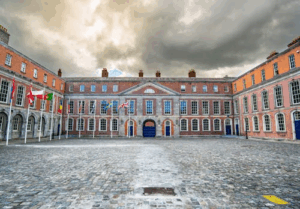
Kilmainham Gaol and Revolutionary History
Kilmainham Gaol stands as one of Dublin’s most powerful historical attractions. This former prison played a central role in Ireland’s struggle for independence and continues to leave a lasting impression on visitors. Guided visits provide powerful storytelling.
You walk through cells and corridors where key figures spent their final days. This experience creates an emotional connection to Ireland’s fight for freedom. It adds depth and meaning to any exploration of Ireland’s rich heritage.
Dublin Castle and Medieval Foundations
Dublin Castle offers a glimpse into the city’s medieval origins and its later political significance. Visitors explore grand state apartments, historic halls, and underground remains. Each section reveals a different chapter of Irish history.
Many Dublin historical tours include this landmark due to its central role in shaping governance and culture. The castle connects medieval history with modern identity. It remains an essential stop on any itinerary.
County Meath: The Heart of Ancient Ireland
County Meath offers one of the most concentrated collections of ancient sites in Ireland. This region holds immense historical significance and provides insight into prehistoric and early medieval life. Visitors often dedicate a full day to exploring it.
Many travellers include Meath as part of a broader itinerary that focuses on Ireland’s history museums and ancient landmarks. The area delivers a powerful combination of archaeology, mythology, and landscape. It plays a central role in understanding Ireland’s origins.
Newgrange: A Window Into Prehistoric Life
No visit to Ireland feels complete without experiencing the Newgrange megalithic tomb trips. This UNESCO-listed site dates back over 5,000 years and showcases remarkable engineering and astronomical alignment. It stands as one of Europe’s most important prehistoric monuments.
Visitors enter the chamber through a narrow passage that aligns with the winter solstice sunrise. This experience highlights the advanced knowledge of Ireland’s early inhabitants. It creates a lasting impression of Ireland’s rich heritage.
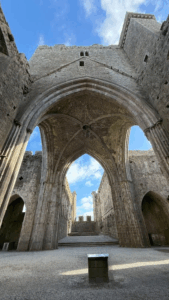
Hill of Tara and Spiritual Heritage
The Hill of Tara served as the ceremonial seat of ancient Irish kings and holds deep mythological significance. The landscape features earthworks and monuments that reflect Ireland’s early political and spiritual life. Visitors often describe the atmosphere as powerful and reflective.
Pairing this visit with nearby museums enhances your understanding of the site’s importance. You connect mythology with archaeological evidence through curated exhibits. This combination creates a more meaningful experience.
Kilkenny: Medieval Heritage Brought to Life
Kilkenny stands out as one of Ireland’s best-preserved medieval cities. Its compact layout allows visitors to explore history through both museums and architecture. Every corner of the city reflects its rich past.
The city attracts visitors interested in medieval museum tours and authentic historical experiences. You can easily walk between major attractions while enjoying the atmosphere. Kilkenny offers a seamless blend of education and exploration.
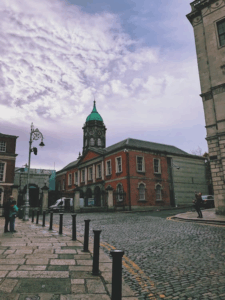
Medieval Museum Kilkenny
The Medieval Museum delivers one of the most immersive historical experiences in Ireland. Visitors walk through restored buildings, underground chambers, and curated exhibition spaces. Each section reveals details about medieval life.
Displays include ceremonial objects, manuscripts, and everyday items from the period. The museum places you directly within the historical environment. It transforms learning into an engaging and memorable journey.
Kilkenny Castle and Urban Heritage
Kilkenny Castle complements the museum experience with its grand interiors and landscaped grounds. Visitors explore rooms that reflect centuries of political and social life. The castle provides a visual narrative of power and culture.
Together, the museum and castle create a complete picture of medieval Ireland. This pairing offers both context and atmosphere. It enhances your overall understanding of the era.
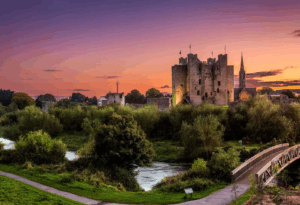
Waterford: Ireland’s Oldest City
Waterford holds the distinction of being Ireland’s oldest city, founded by the Vikings in the 9th century. Its museum quarter offers a detailed exploration of this heritage. Visitors can easily spend a full day discovering its history.
The city provides a layered historical experience through multiple themed museums. Each one focuses on a specific era or aspect of development. This structure allows you to trace the city’s evolution clearly.
Waterford Treasures Museums
The Waterford Treasures museums cover Viking history, medieval trade, and Georgian culture. Interactive exhibits and storytelling techniques engage visitors of all ages. Each museum contributes to a broader narrative.
You gain insight into Waterford’s role in shaping Ireland’s commercial and cultural identity. These museums highlight craftsmanship, trade networks, and daily life. They offer a comprehensive historical overview.
Cork and the South: Cultural Depth and Maritime History
Southern Ireland offers a wide range of historical attractions, with Cork serving as a key cultural hub. The region combines urban history with maritime heritage and local storytelling. Visitors often include Cork in extended itineraries.
This area reflects the broader narrative of Ireland’s development through trade, migration, and industry. Museums and historical sites provide context for these themes. The region adds diversity to your exploration.
Cork City Gaol
Cork City Gaol provides an immersive look into 19th-century prison life. The restored cells and detailed exhibits create a vivid and engaging experience. Visitors gain insight into social conditions and justice systems.
The museum uses lifelike displays to tell personal stories of former inmates. These narratives bring history closer to the visitor. The experience remains both educational and memorable.
Titanic Experience in Cobh
Cobh played a significant role in the Titanic’s final journey. The museum presents personal stories of passengers who boarded the ship in Ireland. This perspective adds emotional depth to the historical narrative.
Visitors follow the journey through interactive exhibits and guided storytelling. The museum connects Ireland’s history to global events. It offers a unique and meaningful experience.
Wicklow: Monastic Sites and Natural Beauty
Wicklow combines stunning landscapes with important historical sites. Many travellers include this region in day trips from Dublin due to its accessibility. The area offers both natural beauty and cultural significance.
The region provides insight into Ireland’s early Christian heritage through well-preserved sites. Visitors can explore history while enjoying scenic surroundings. Wicklow creates a balanced and enriching experience.
Glendalough Monastic Settlement
Glendalough stands as one of Ireland’s most iconic monastic sites. The valley features a round tower, stone churches, and walking trails that reveal its history. Visitors experience both education and tranquillity.
Museums and visitor centres explain the daily life of monks who lived here centuries ago. These insights add context to the physical structures. The site highlights Ireland’s rich heritage in a peaceful setting.
The West of Ireland: Tradition and Resilience
Western Ireland offers a different perspective on history, focusing on rural life and cultural preservation. The region reflects resilience and strong community traditions. Visitors often explore this area through extended trips.
Museums and visitor centres provide context for the landscapes and communities you encounter. These experiences highlight local traditions and historical challenges. They add depth to your overall journey.
Cliffs of Moher Visitor Experience
The Cliffs of Moher attract global attention, but the visitor centre adds valuable historical and environmental context. Exhibits explore geology, local communities, and conservation efforts. This combination enriches the visit.
Visitors gain a deeper understanding of the region beyond its natural beauty. The centre connects landscape with history. It enhances the overall experience.
Derry and Northern Highlights
Derry offers important insights into Ireland’s more recent history. Museums in the city explore political events and cultural identity through carefully curated exhibits. Visitors gain a balanced perspective on complex topics.
While Northern sites contribute to the broader narrative, you should prioritise the Republic’s 26 counties when planning. These regions offer greater accessibility and variety. They form the core of most itineraries.
How to Plan an Effective Museum-Focused Tour
To make the most of Ireland’s history museums, you should plan your itinerary carefully. Start with key regions such as Dublin, Meath, Kilkenny, and Cork. These areas offer strong historical coverage and convenient travel routes.
Combine museum visits with outdoor attractions to maintain balance and energy. For example, pair indoor exhibits with castle visits or scenic walks. This approach keeps your journey engaging and varied.
Enhancing Your Experience With Guided Tours
Guided tours bring history to life through expert storytelling and local knowledge. They connect artifacts and locations to real events, making your experience more meaningful. Many visitors prefer this approach.
Whether you choose Dublin historical tours or regional excursions, guided experiences provide structure and insight. They help you discover hidden details and lesser-known sites. This added value enhances your overall trip.
FAQs About: Ireland’s History Museums
- What are the best Irish history museums to visit in Ireland?
You should visit Dublin’s National Museum branches, Kilmainham Gaol, the Medieval Museum in Kilkenny, and Waterford’s museum quarter. These locations offer diverse historical perspectives.
- How many days should I dedicate to museums in Ireland?
You should plan at least three to five days for museums and historical attractions. This timeframe allows you to explore multiple regions comfortably.
- Are guided tours necessary for museum visits?
Guided tours enhance your understanding through storytelling and expert insights. They provide context that you might miss when exploring independently.
- Can I combine ancient sites with museums?
Yes, and you should combine both for a complete experience. Pairing museums with Newgrange megalithic tomb trips creates a deeper understanding of history.
- Are Ireland’s museums suitable for older travellers?
Yes, most museums offer accessible facilities and guided options. They cater well to visitors who prefer a comfortable and informative experience.
Discover Ireland’s Past With Royal Historical Tours
At Royal Historical Tours, we bring history to life through carefully curated experiences designed for comfort, depth, and personal connection. We specialise in immersive journeys that include medieval museum tours, Dublin historical tours, and unforgettable Newgrange megalithic tomb trips.
We deliver some of the best Dublin guided tours while exploring Ireland’s rich heritage across the 26 counties of the Republic. Our day tours—from Meath and Wicklow to Kilkenny and Waterford—offer seamless travel, expert storytelling, and meaningful engagement at every stop.
We design each tour exclusively for your group, ensuring a relaxed pace and personalised itinerary. Book early to secure your preferred dates and enjoy consecutive touring days that enhance your experience. Contact us today and let us create a journey through Ireland’s past that you will never forget.