
Ireland’s castles are more than dramatic landmarks rising from green hills and rugged coastlines. For centuries, they shaped political control, military defence, and daily life. These stone fortresses were symbols of authority, centres of administration, and homes to powerful families. They played a central role in Ireland’s shifting power structures, from medieval lordships to English rule and beyond.
Today, castles remain powerful reminders of Ireland’s complex past. Through Ireland castle tours, visitors can explore how these structures influenced governance, controlled territory, and shaped the lives of ordinary people. Understanding the political importance of castles allows us to see them not just as beautiful buildings, but as instruments of power.
The Arrival of Castles in Ireland
Before castles appeared, Ireland was largely organised through Gaelic clans. Power was local and based on kinship. Leaders ruled territories through loyalty and tradition rather than stone fortifications.
The introduction of castles began in the late twelfth century after the Anglo-Norman invasion. The newcomers brought new military architecture, including stone keeps and fortified walls. These castles were built to secure land, assert control, and defend newly claimed territories.
Castles quickly became tools of political dominance. By building a strong fortress, a lord could establish authority over surrounding lands. The castle became both a military base and a statement of ownership.
Castles as Symbols of Political Control
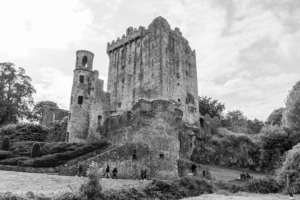
A castle was not simply a defensive structure. It was a visible reminder of who held power. Positioned on hills, beside rivers, or overlooking towns, castles were deliberately placed to control movement and trade.
Inside the walls, political decisions were made. Taxes were collected, disputes were settled, and alliances were formed. The lord of the castle governed not only the building itself but also the lands and people surrounding it.
For example, Trim Castle day tours highlight one of Ireland’s largest Norman castles, which once controlled large parts of the surrounding region. Its size and strength reflected the ambition of its builders. Trim Castle symbolised dominance and order imposed upon the landscape.
Defence and Military Strategy
Ireland’s castles were designed for protection. Thick stone walls, narrow windows, and defensive towers allowed occupants to resist attacks. Moats, drawbridges, and gatehouses added extra layers of security.
During periods of conflict between Gaelic Irish clans and Anglo-Norman settlers, castles served as strategic strongholds. Later, during rebellions and wars between Irish forces and the English Crown, these fortresses became central to military campaigns.
Visitors exploring guided castle tours often learn how castles were designed to withstand siege warfare. Defenders could fire arrows from narrow openings while remaining protected behind stone walls. Supplies were stored to survive long periods without outside support.
Castles gave rulers a tactical advantage. As a result, whoever controlled the castle controlled the region.
Daily Life Within Castle Walls
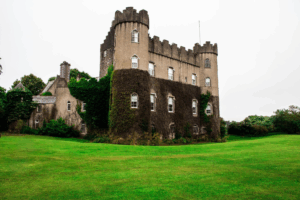
While castles were centres of power, they were also homes. Lords and their families lived within these fortified walls. Servants, soldiers, craftsmen, and administrators worked there as well.
Daily life inside a castle was structured and hierarchical. The great hall served as the main gathering place. Meals were shared, guests were welcomed, and important announcements were made there. Private chambers offered limited comfort compared to modern standards, but they represented status and security.
Exploring private medieval castle trips allows visitors to imagine what daily routines looked like centuries ago. Kitchens were busy with food preparation. Armour was maintained for defence. Courtyards were spaces of activity, where trade and work supported the castle’s economy.
Castles were small communities that reflected the political structure of their time.
Castles and Control of Trade
Political power in medieval Ireland was closely tied to economic control. Castles were often built near rivers, ports, and market towns. This positioning allowed rulers to monitor trade routes and collect taxes.
By controlling access points, castle lords influenced commerce. Merchants travelling through certain areas were required to pay fees or offer goods. Markets developed near castle walls, bringing growth to towns but also reinforcing the authority of those inside the fortress.
Some tours within Ireland heritage tour packages explore how castles supported urban development. Towns grew around fortified centres, creating lasting economic hubs that continue to shape Ireland’s geography today.
The Role of Castles in Changing Political Power
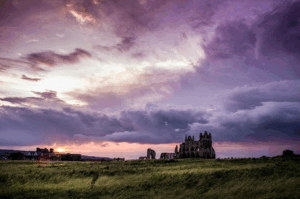
Over time, Ireland’s political landscape shifted dramatically. Gaelic Irish leaders, Anglo-Norman lords, and later English authorities all used castles to secure influence.
During the Tudor period, the English Crown expanded control across Ireland. Many castles were reinforced or adapted to suit new political needs. Some Gaelic strongholds were taken over and modified to reflect English authority.
Through private guided tours, visitors can trace how castles evolved in response to changing rulers. The architecture sometimes reveals layers of history, with older stone foundations supporting later additions.
These changes show that castles were not static structures. They adapted as power shifted.
Castles and the Plantation Period
In the sixteenth and seventeenth centuries, political change accelerated during the Plantation period. English and Scottish settlers were granted land in Ireland, particularly in Ulster. Castles and fortified houses were built to secure these settlements.
These structures served both defensive and symbolic purposes. They represented a new political order. Control of land and fortifications reinforced the authority of settlers under Crown support.
Visitors on private castle tours often learn how plantation-era fortifications differed from earlier Norman designs. While still defensive, they reflected updated military strategies and political realities.
From Fortresses to Country Estates
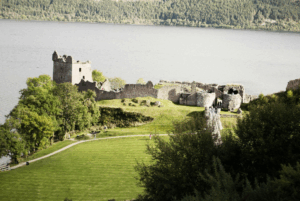
By the eighteenth century, the role of castles began to change. As warfare methods evolved, traditional medieval fortresses became less practical for defence. Instead, many castles were transformed into grand country homes.
While they still symbolised status and influence, their political role shifted. They became centres of estate management rather than military control. The architecture softened, and comfort became more important than defence.
Through castle tours, visitors can see how some castles retain medieval features while others reflect later architectural styles. This transformation reflects broader political stability and social change.
Legends, Stories, and Cultural Significance of Ireland’s Castles
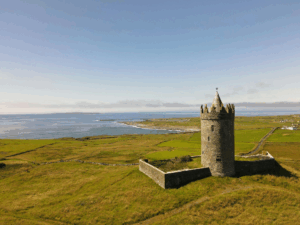
Irish castles are not only historical and political landmarks, but they are also rich with legends and stories passed down through generations. Many castles are linked to tales of battles, heroic figures, and even mysterious events. These stories helped reinforce the castle’s authority and created a sense of identity for the local community.
Legends often highlight key events or influential families, giving insight into the social and political climate of the time. For example, a castle that witnessed a famous siege might inspire stories of bravery, loyalty, and betrayal.
Cultural traditions surrounding castles also include festivals, markets, and local crafts that were often centred around the castle grounds. These activities helped strengthen the surrounding community and maintained the castle’s importance even after its military function declined.
The Cultural and Political Legacy of Irish Castles
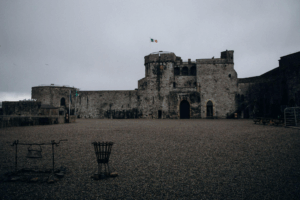
Today, castles remain powerful cultural symbols. They represent resilience, conflict, and transformation. Many have been restored as museums, heritage sites, or event venues.
Their continued presence reminds us how political authority was once exercised. The stone walls tell stories of conquest, negotiation, loyalty, and rebellion.
Different kinds of tours allow visitors to explore these layers of history in a clear and structured way. Understanding the political importance of castles deepens appreciation for their architectural beauty.
Why Exploring Castles Enhances Historical Understanding
Walking through a castle provides a deeper understanding of Ireland’s political development. It is one thing to read about power struggles. It is another to stand inside a fortified tower and imagine the decisions made there.
Through experiences like guided castle tours, travelers gain insight into how political systems shaped communities. Castles show how authority was enforced, defended, and displayed.
They also reveal the human side of history. Behind every wall were individuals navigating loyalty, survival, ambition, and change.
Discover Ireland’s Political Heritage With Us
At Royal Historical Tours, we believe that understanding Ireland’s castles is essential to understanding Ireland itself. Our carefully designed private guided tours in Ireland provide in-depth insight into how these powerful structures shaped defence, governance, and daily life across centuries.
We offer immersive experiences that connect political history with architectural exploration. Our knowledgeable guides present complex historical events in clear and engaging ways, making each visit informative and meaningful. With our services, you do more than visit a castle. You step into the spaces where power was exercised and history was shaped.
Join us to explore Ireland’s political past through the fortresses that defined it, and experience the legacy of these remarkable structures for yourself.
FAQs
- Why were castles so important in medieval Ireland?
Castles were central to political control because they allowed rulers to defend territory and enforce authority. They acted as both military strongholds and administrative centres. - Who built most of Ireland’s castles?
Many castles were built by the Anglo-Normans after their arrival in the twelfth century. Over time, Gaelic Irish leaders and English authorities also constructed and adapted castles for their own use. - Were castles only used for defence?
No, castles were also homes and centres of local government. They were places where taxes were collected, laws were enforced, and communities gathered. - How did castles influence daily life?
Castles shaped nearby towns by creating markets, offering protection, and providing employment. Many communities grew around these fortified centres. - Why are Irish castles still important today?
Irish castles help people understand the country’s political and social history. They preserve stories of power, conflict, and change that shaped Ireland over centuries.